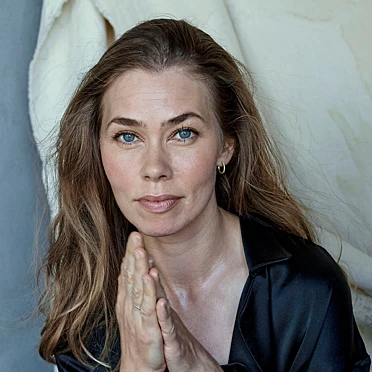
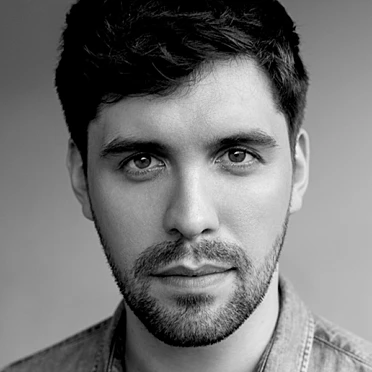
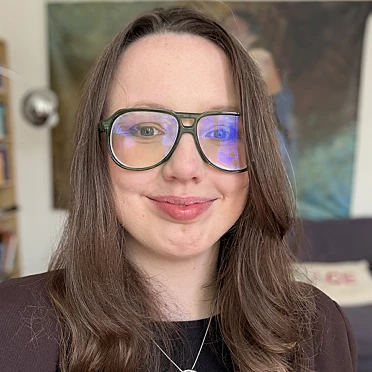
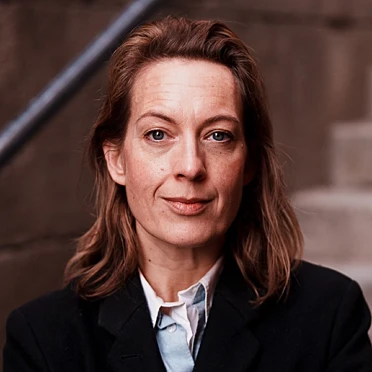
Birgitte Hjort Sørensen
Actress
World's Largest
Conference on Video
DR Koncerthuset
Copenhagen
Thursday & Friday
May 28 - 29
TwentyThree Summit is video’s home. Whether “video” is in your job title or simply the way you move your organization forward, this is where you belong. TwentyThree Summit is where we, the Video People Unite!
TwentyThree Summit is an intensive two-day conference dedicated to everything video. You’ll learn how to scale with video and video-enable your organization, join a workshop to define your video strategy, explore the webinar formats and shape your approach with the Webinar Framework, design your video brand, build your video app, and reinvent your website, all while drawing inspiration from an exceptional lineup of keynote and session speakers.
This year’s program is designed so you can fly in from any European hub on Thursday morning, stay one night in Copenhagen, and fly back on Friday evening. Or, if you prefer, extend your stay and enjoy a city consistently ranked among the world’s most livable. Before, during, or after TwentyThree Summit, you’ll never be alone.
Beyond the conference, you can join the Copenhagen Experience, take part in lunch roundtables, attend community dinners, and meet fellow attendees at The Video Party and Friday Bar. You’ll be our personal guest in town, with access to a personal guide for practical questions, travel tips, and navigating Copenhagen, so you can focus on the experience.
Video has won. It's reshaping how the world communicates, and marketing is becoming part of video, not the other way around. Join TwentyThree's founders on stage to get the inside track on a series of world-first product announcements and demos to move video ahead, and see where the transformation is going next.

A digital pioneer who’s been founding internet companies for 30 years, Thomas helps organisations and companies thrive in a video-first world.

As co-founder and CTO of Europe's only player in the global video software space, Steffen has been pioneering the video tooling landscape for more than two decades.
Generative AI is rewriting the economics of video, putting creative work within reach of organizations that could never have afforded it before. This is a look at the current state of GenAI video, what today's models can actually do, where they still fall short, and the hard-won lessons from working at the frontier of the technology. You'll see how companies are turning these capabilities into real video output, and leave with a clear-eyed sense of what's possible now and what's coming next.

Few people have lived through the creative AI shift more directly than Martin. He founded Iconfinder in 2007 – the world's first icon marketplace – and sold to Freepik in 2022. Now CXO at Magnific, he joins us on GenAI: The Creative Revolution.

David Brain leads all things video at IKEA, from technical production to creative output. With 20+ years across global broadcasting, podcasting, and live media, he returns to TwentyThree Summit as part of the "Meet the Video Producers" panel.

For 15 years, Charles Arnold has made sure great ideas survive the journey from brief to the real world. Senior Video & Content Producer at Gelato, the global print-on-demand platform, he joins the Meet the Video Producers panel.

Cecilia is redefining the role of the Video Producer, to be a driver of change, strategy, and video enablement across TwentyThree.

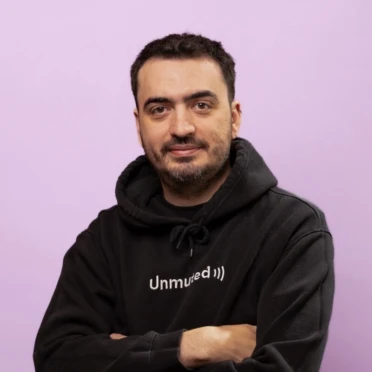
Paolo is an Amsterdam-based producer and strategist, and currently Head of Video at Unmuted, who drives the shift to video wherever he goes.
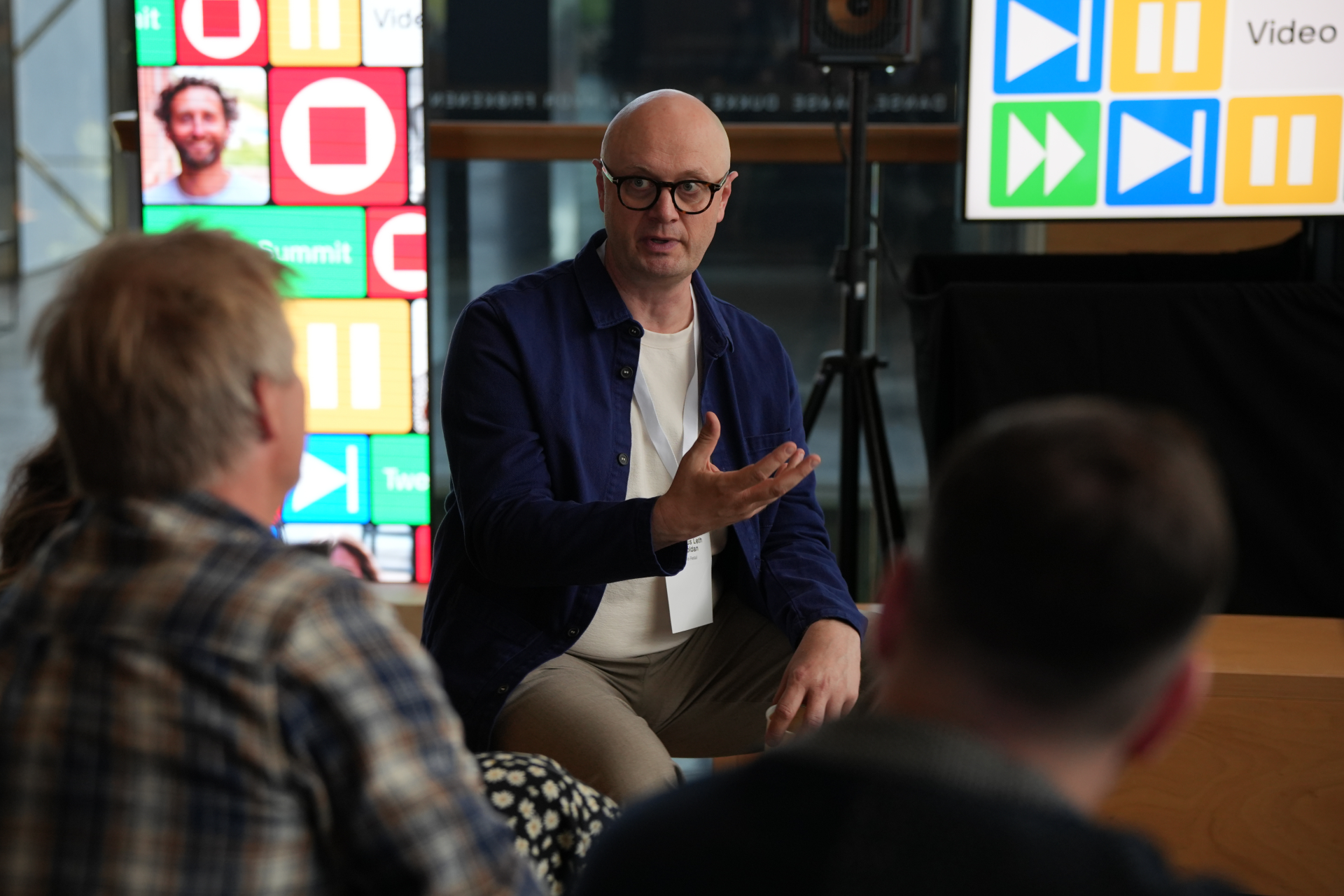
Rasmus Leth Skjoldan didn't just add AI to his marketing stack: he rebuilt it around it. In this session, he walks through how he architected a fully AI-enabled marketing funnel and how video feeds directly into his AI environment. A practical, systems-level look at what marketing leadership actually looks like when you stop treating tools as isolated and start treating them as infrastructure.

CMO at Hello Retail with two decades in CMS, content, and martech (8 years CMO at Magnolia), Rasmus Skjoldan rebuilt his entire martech stack with Claude. He brings the hyper-efficient CMO's playbook for the AI agent era.
Fresh off the Keynote, TwentyThree's founders take the Personal Stage for an open Q&A. Bring your questions about what was just announced or anything else about TwentyThree and the road ahead. This is your chance to go straight to the source.

A digital pioneer who’s been founding internet companies for 30 years, Thomas helps organisations and companies thrive in a video-first world.

As co-founder and CTO of Europe's only player in the global video software space, Steffen has been pioneering the video tooling landscape for more than two decades.
Video is your brand. And your brand is your video. How progressive you are with video shapes how people perceive you. Rob Scotland, a pioneer in brand-building, unpacks how Veo used video to build a brand.

With a storytelling approach honed at A-list clients and agencies including Ferrari F1, Carlsberg, Xbox, McCann, and Leo Burnett, Rob is a big believer in the power of brands to shape culture.
For most of his career, being a jack of all trades felt like a problem. Too curious to specialise, too distracted to stick to one thing. Turns out the tools just needed to catch up. In 2026, with the right setup, curious creatives can get close enough to master of all. And that changes everything about how you build a creative team. Mads backs it up with what he learned scaling creative ops at Too Good To Go across 20 countries, and what he's building now with a small team at Famly. Practical, honest, and a little nerdy.

Mads Naumann grew Too Good To Go's creative team from three to twenty-five, and now runs creative and marketing at early childhood platform Famly. He joins us to show how high-end performance doesn't always need high-end budgets.
Video is roughly half of online engagement, and the part of the martech stack almost nobody treats as martech. Most companies still run video through social platforms, which means their most engaging content lives on rented infrastructure: analytics they don't own, attribution they can't trace, no integration with the rest of the stack. As the modern stack consolidates, European sovereignty becomes a procurement criterion, and AI reshapes everything, video is still treated as a creative output rather than a data source. This panel challenges that, in front of the people who could actually change it.

As co-founder and CTO of Europe's only player in the global video software space, Steffen has been pioneering the video tooling landscape for more than two decades.

Board Director at the Customer Data Alliance, with nearly 20 years building martech stacks for Samsung, Macquarie Bank, Singtel, and the Australian government, Karin Kalda joins us on The Role of Video in the Martech Stack.

Director and Head of MarTech Strategy EMEA at Valtech, Sune Børsen is one of Europe's foremost martech profiles, advising global clients across retail, healthcare, FMCG, automotive, and finance. He joins The Role of Video in the Martech Stack.

Martin Edenström founded MKSE.com, the martech news site read by 12,000+ marketing decision-makers every day. With 20+ years as a marketing and business leader, he returns to moderate this year's panel on video's role in martech.
Fresh off his talk on rebuilding the marketing stack with AI, Rasmus Leth Skjoldan takes the Personal Stage for an open Q&A. Bring your questions about architecting an AI-enabled marketing funnel, wiring video data into an AI environment, or anything else on your mind: this is your chance to go deeper, one-on-one.

CMO at Hello Retail with two decades in CMS, content, and martech (8 years CMO at Magnolia), Rasmus Skjoldan rebuilt his entire martech stack with Claude. He brings the hyper-efficient CMO's playbook for the AI agent era.
Being on camera is a physical act before it's a communication one. Puk Scharbau works with the body: how you stand, how you move, how you bring yourself into the frame, and what it actually takes to feel at home in front of a lens. Less about technique, more about presence. Drawing on the craft of acting, the session introduces three embodied entrypoints designed to help you connect more deeply and express your authentic voice with clarity. Through body, presence, and voice, you'll learn to inhabit yourself more fully, and be heard. You don't need to become anything. Only to be fully present.

The Bridge’s Puk Scharbau applies her years of experience as an award-winning actor to helping company executives communicate - and shine - on camera.
Where does a video actually go between the moment it's recorded and the moment someone watches it? Nick Morolda of Hive Streaming takes one of the most used and least understood technologies in modern business and makes it legible. He pulls back the curtain on where quality gets lost between what the camera sees and what the viewer experiences: why that gap exists, why it matters, and what it takes to close it. Expect real examples, plain language, and a few "so that's why it looks like that" moments. You'll leave knowing how live video really works, and what it takes to deliver broadcast-quality streams everywhere, not just on the couch.

As VP of Solution & Service Delivery at Hive Streaming – the European peer-to-peer platform for enterprise video – Nick Morolda makes sure the world's largest companies run video reliably. He joins us on how video works on the internet.
Christopher Cole spent years producing videos at Apple. Now he teaches smartphone cinema at NYU. In the first part of this 90-minute masterclass, he introduces the history behind cinematic mobile production, how to make use of limited resources, connect with audiences, and make decisions that the best phone cameras in the world can actually reward. Hands-on, intimate, and full.

Five years as a Video Producer at Apple, the critically acclaimed short Terminally Ill, and now NYU instructor in 'Smartphone Cinema'. Christopher Cole comes to TwentyThree Summit to show how to make cinema with the camera in our pocket.
A live walkthrough of the all-in-one platform for putting video to work across the entire customer journey: branded player, easy embeds, analytics, and attribution. Real product, real workflows, followed by an open Q&A.

AI, Video, Trust: can you pick only two? As AI-generated video becomes indistinguishable from produced content, the question of trust has moved from philosophical to operational. Lev Cribb brings a framework-heavy, evidence-driven analysis of where AI use in video preserves audience trust, and where it quietly erodes it. He maps the hype cycle, names where the risks are real, and gives marketing and communications leaders a clearer way to think about what they're signing up for when they reach for generative tools.

When AI can generate any face, voice, or scene, what makes video trustworthy? As MD of Made to See (formerly WebinarExperts), Lev Cribb has built his career on live, human video AI can't fake – and how to earn trust in an AI video world.
Video is becoming a strategic capability that the world's leading organizations are deliberately building toward, but making that shift inside a major global enterprise takes people who can drive change. Meet three video changemakers from Allianz, one of the world's largest insurance and asset management groups; SAXO, a global leader in online trading and investment; and Bird & Bird, a top-tier international law firm, and hear how each equipped a very different organization to make video strategic. You'll leave with practical insight into the structures they built, the resistance they navigated, and how change really happens from the inside.

How do you organise video inside a company with 160,000 employees across 70+ countries? Senior Creative Consultant Marius Plenker is figuring it out at Allianz, joining us to share how to maximize every video in a global set-up.

George Mole built the in-house studio at Bird & Bird – one of the world's biggest tech-focused law firms – and now scales daily video and podcast production across its 34 offices. He joins the panel on organising video in corporations.

How do you convince the C-suite to invest in video, in a regulated industry where caution is the default? As Head of Video Content at Saxo Bank, Benjamin Faltz scaled disconnected efforts into a unified content engine that drives through the funnel.

With 25+ years running accounts like HSBC, Rolex & Google for WPP/Dentsu, Dan now heads our Video Accelerator at TwentyThree, helping businesses to become fully video-enabled organizations.
Fresh from her session on presence and being at home in front of the lens, Puk Scharbau takes the Personal Stage for an open Q&A. Bring your questions about working with the body, finding your authentic voice on camera, or anything else her talk stirred up.

The Bridge’s Puk Scharbau applies her years of experience as an award-winning actor to helping company executives communicate - and shine - on camera.
Emily Trenouth built the first Amazon influencer program in the world. Now she draws a direct line from that experience to the opportunity sitting in front of every B2B organization right now: your founders, your employees, and your partners are your most credible creators. Discover how to build an internal creator infrastructure: one that puts real people, not branded content, at the center of your video strategy.

12 years shaping how organisations work with creators at scale – influencer strategy at Amazon across 26 markets, and before that built MediaCom's influencer division at WPP. Emily Trenouth joins us with the creator playbook for B2B organisations.
What does it look like when an organization commits to video not as a campaign tactic, but as infrastructure across every touchpoint? Here's that story told through a real implementation: the decisions made, the obstacles cleared, and what changed once video became a system rather than a series of projects.

With 25+ years running accounts like HSBC, Rolex & Google for WPP/Dentsu, Dan now heads our Video Accelerator at TwentyThree, helping businesses to become fully video-enabled organizations.

From Nokia to Wallbox to FLEXeCHARGE, Christophe Lephilibert has spent 25+ years marketing tech. As Marketing & Communications Director at the EV charging scaleup, he's made video the engine of B2B growth. He joins our session on video strategy.

Experienced B2B content marketer Maria built FLEXeCHARGE's video strategy from scratch – ideation, scripting, editing, and managing it all from TwentyThree. Join Building a Video Strategy for her hands-on lessons from the trenches.
Every channel. Every moment. Every decision in the buyer journey. Charis Maimaris makes the case for video not as a campaign format but as a constant, and walks through what a truly touchpoint-complete video strategy looks like across a modern marketing organisation.

Creative is the strongest lever in paid social – not targeting, not budget. Charis Maimaris built his consultancy around that insight and now advises B2B brands globally. He returns with a session on making short-form video work.
Nick Morolda, VP of Solution & Service Delivery at Hive Streaming, takes the Personal Stage for a 30-minute live demo of how Hive Streaming delivers enterprise video at scale, and the visibility you get into how it actually performs. Real product, real workflows, with time for your questions.

As VP of Solution & Service Delivery at Hive Streaming – the European peer-to-peer platform for enterprise video – Nick Morolda makes sure the world's largest companies run video reliably. He joins us on how video works on the internet.
In a world where culture moves at the speed of video, relevance is no longer planned: it’s performed. Sara Riis-Cartensen, Head of Brand at Lufthansa, the biggest airline in Europe, explores how brands must shift from campaigns to continuous presence, and why showing up on camera has become the fastest way to participate in culture, build trust, and stay relevant.

Brand strategy starts with culture, not the brand. Sara Riis-Carstensen built LEGO's first global brand strategy – making it the world's most powerful – and now leads brand strategy at Lufthansa Group. She joins us on cultural relevance on camera.
The conversation continues. Following her talk on how brands stay relevant by showing up on camera, Sara Riis-Carstensen, Head of Brand at Lufthansa, joins the Personal Stage to take your questions: on moving from campaigns to continuous presence, earning trust, or whatever her session left you thinking about. An open, one-on-one exchange.

Brand strategy starts with culture, not the brand. Sara Riis-Carstensen built LEGO's first global brand strategy – making it the world's most powerful – and now leads brand strategy at Lufthansa Group. She joins us on cultural relevance on camera.
Great video gets attention. Great stories get remembered. But is that enough? This engaging talk reveals the hidden psychological forces that determine what people decide to do, and gives filmmakers practical ways to build decision design into their content. Go beyond engaging your audience and learn how to change their decisions.

Co-founder of Hurricane, one of the world's first video agencies, and author of two video marketing books translated into seven languages, Jon Mowat completes his TwentyThree Summit trilogy with "Designing Video That Drives Decisions".
Video without discoverability is a private conversation. André Ribeirinho, founder of PageRadar, a leading SEO and AI search visibility agency, makes the case for treating video SEO & GEO as a first-class discipline, not an afterthought. Practical, current, and grounded in what actually moves rankings.

Search isn't just Google anymore – it's the AI systems quietly rewriting how brands get found. Founder of PageRadar with 20+ years advising companies on how to be found online, André Ribeirinho joins TwentyThree Summit with a talk on video SEO.
Personal Video is the first video messaging tool built for companies, letting everyone on your team record, send, and track video as easily as email. A live walkthrough of how it works: in-browser recording, teleprompter, screen-and-camera mixing, branded video pages, and automated touchpoints that scale the human touch across sales, marketing, and support.

As co-founder and CTO of Europe's only player in the global video software space, Steffen has been pioneering the video tooling landscape for more than two decades.


TwentyThree's Head of Enterprise Customers, Christian Bøckel spent five years on digital transformation at Merkle. Catch his session on TwentyThree Personal and why personal video is the channel B2B leaders are quietly betting on.
Sound is the half of video most organizations get wrong, treated as a post-production checkbox rather than a strategic creative decision. Sonic Minds makes the case for getting it right, introducing the language of sonic identity and showing how audio shapes brand perception. They're joined by the brand designer who shaped the audio identity of ASUS, the global electronics brand, alongside a second case from a European scaleup.

Karsten Kjems founded leading audio branding agency Sonic Minds in 2004, long before brands thought about what they sounded like, and has since shaped sonic identities for Volvo, B&O, and Arla. He returns with a session on the audio side of video.

Most video gets made picture-first. Karen Stenz Lundqvist works the other side: she composes electro-pop as Kaizer and creates audio brand identities at Sonic Minds, the leading sonic branding agency. She joins us on the audio side of video.

Producer and artist with a Master's from the Rhythmic Music Conservatory, Søren believes brands and artists both want to connect emotionally. As Creative Lead at Sonic Minds, the leading sonic branding agency, he joins us on the audio side of video.

Still thinking about what moves an audience to act? Jon Mowat heads to the Personal Stage to keep the conversation going, taking your questions on the psychology of decision-making, how to build it into your own video, and whatever else his talk brought up. A relaxed, one-on-one exchange.

Co-founder of Hurricane, one of the world's first video agencies, and author of two video marketing books translated into seven languages, Jon Mowat completes his TwentyThree Summit trilogy with "Designing Video That Drives Decisions".
Two of Europe's most experienced conference curators, Monique van Dusseldorp and Gianfranco Chicco, sit down to talk about the craft they've spent careers refining, on stage and on screen alike: how to hold a room, how to make a guest feel safe enough to say something real, and why the quality of a conversation is almost always determined long before it starts. A rare look behind the curtain at the work most people never notice, and a conversation between two people who do it for a living, about doing it well.


With 20+ years at the intersection of design, technology, and craft – stints at the Webby Awards, London Design Festival, and curator of The Craftsman newsletter – Gianfranco is the obvious choice to return as Summit interviewer and host.
We live in a changed world, one where building companies and ecosystems on European soil has become genuinely strategic. This panel makes the case that Europe is the place to build, and explores what it takes for European companies to win, how to commercialize the research Europe genuinely excels at, and how to build the vertical ecosystems, including European video, that let us know each other from the inside.

A digital pioneer who’s been founding internet companies for 30 years, Thomas helps organisations and companies thrive in a video-first world.

Born from Swedish public research, Hive Streaming is one of European video infrastructure's success stories. CEO Niklas Hagen joins our conversation on European Video: sovereignty, scale, and why building in Europe matters.

Björn built one of the first European tech companies to dominate globally – Toca Boca, the Swedish kids' app he co-founded, hit a billion downloads. Now Vice Chairman of Acast and advisor at Outer Sunset, he joins our European Video session.


With 25+ years running accounts like HSBC, Rolex & Google for WPP/Dentsu, Dan now heads our Video Accelerator at TwentyThree, helping businesses to become fully video-enabled organizations.

Co-founder of Hurricane, one of the world's first video agencies, and author of two video marketing books translated into seven languages, Jon Mowat completes his TwentyThree Summit trilogy with "Designing Video That Drives Decisions".
Inside a partly state-owned company like Ørsted, building a corporate video studio means working with politics on every brief. At the world's largest offshore wind developer, one navigating an exceptionally challenging geopolitical climate, every piece of content becomes a stakeholder conversation, and getting it made is its own kind of craft. This is the story of building and operating an in-house video studio in a world of friction, from the producer who's earned his stripes doing exactly that.

Building a corporate video studio inside a partly state-owned company like Ørsted means working with politics on every brief. As Lead Video Producer at the world's largest offshore wind developer, Rasmus Lundby Jensen has earned his stripes.
Your website is still the most visited thing you own. This session makes the case for treating it as a live, video-first experience, and shows what's actually possible when you start from that premise.

As co-founder and CTO of Europe's only player in the global video software space, Steffen has been pioneering the video tooling landscape for more than two decades.

"Static, boring websites need to be a thing of the past." Hannah's words – so who better to join Reinventing the Website? CEO and founder of HLabs, the no-code design studio behind work for Vogue, Red Bull, and Accenture.

CEO of one of the world's first true video agencies, Ida Sjöberg Dahlgren is redefining 'video' for clients from Swedbank to Sweden's National Board of Health. She returns to continue the conversation on how video agencies are evolving.

When AI can generate any face, voice, or scene, what makes video trustworthy? As MD of Made to See (formerly WebinarExperts), Lev Cribb has built his career on live, human video AI can't fake – and how to earn trust in an AI video world.

After 25 years shaping video for Meta, HubSpot, Microsoft, AWS, and PayPal, Simon Crofts brings the agency perspective on what works in B2B video. As Client Services Director at Big Button, he joins the Meet the Video Agencies panel.

Co-founder of Hurricane, one of the world's first video agencies, and author of two video marketing books translated into seven languages, Jon Mowat completes his TwentyThree Summit trilogy with "Designing Video That Drives Decisions".
Personal Video is the first video messaging tool built for companies, letting everyone on your team record, send, and track video as easily as email. A live walkthrough of how it works: in-browser recording, teleprompter, screen-and-camera mixing, branded video pages, and automated touchpoints that scale the human touch across sales, marketing, and support.

What does video look like from the top of a marketing organization? Not a production question, not a channel question: a strategic one. This panel explores how marketing leaders are thinking about video ownership, investment, and the gap between what video is asked to do and what it's actually set up to achieve. Moderated by Emily Manock of Marketing Week.

Laurence Paquette has spent 15 years building the Vestas story – now VP Global Head of Brand & Marketing at the world's largest wind energy company. She joins us with a CMO's perspective on how video turned the brand into a global icon.

Head of Content & Design at Rituals (1,000+ stores globally), formerly leading brand at Swapfiets and shaping Unilever icons like Hellmann's, Amanda Gandolpho joins our panel on Video: The Marketing Leaders' Perspective.

CMO at Hello Retail with two decades in CMS, content, and martech (8 years CMO at Magnolia), Rasmus Skjoldan rebuilt his entire martech stack with Claude. He brings the hyper-efficient CMO's playbook for the AI agent era.

From one of the world's most iconic creative agencies: AKQA's Anna Rabe, Thomas Hoeffner, and Hugo Barne take you inside video production end-to-end. Strategy, art direction, and production, evolved with new technology at every stage. Because today, there's no playbook, just a mindset. A conversation on how small teams deliver big output, whatever their size.

Strategy Director at AKQA Berlin, Anna Rabe has led strategy for Google, Netflix, Porsche, and the team behind one of HP's most successful campaigns, Made to be Less Hated. She joins the talk on how small teams deliver big output.

Associate Creative Director at AKQA Copenhagen, Hugo Barne has led culturally loaded briefs – Discord, Jordan, Sony, Volvo, Minecraft – across eight years and several offices. He joins the talk on how small teams deliver big output.

Creative gets headlines, strategy gets credit – production goes under the radar. As Associate Production Director at AKQA Copenhagen, Thomas Höffner ships work for HP, Miro, Novo Nordisk, and DSV, and joins our talk on small teams delivering big.
GS1 and PwC aren't the first names that come to mind when you think "exciting video brand." GS1 runs the barcode standard, scanned billions of times a day; PwC is one of the Big Four. Neither is the kind of consumer brand this room already follows for inspiration, and that's exactly why this session matters. These are large, respected, traditionally serious organizations that have quietly built genuinely mature video practices. This conversation makes that maturity visible, and unpacks what other companies in similar positions can take away.

The company behind the world's barcodes and supply chain standards isn't one where you'd expect video to take centre stage. But as CCO of GS1 Denmark, Toke Mølgaard has made it central to how the org talks to the 7,000 companies it serves.


Positioning shifts, products evolve, and content quietly falls out of sync with reality. A look at why video drifts out of date faster than anything else you make, and what it takes to keep it accurate, aligned, and impossible to ignore as your company changes.

Paolo is an Amsterdam-based producer and strategist, and currently Head of Video at Unmuted, who drives the shift to video wherever he goes.
Is AI replacing the people who make video, or just changing what they need to be good at? Nadine Alice Kriegelstein takes on the question the industry is circling and refuses to give a comfortable answer. A philosophical provocation grounded in craft reality, for producers, directors, and anyone whose professional identity is tied to what it means to make something.

From Austrian broadcaster ORF as a teenager to Head of Creative Strategy at Vienna's Das R&, Nadine Alice Kriegelstein has built her career on craft. At TwentyThree Summit, she asks: "Has AI killed the video stars?"
Most companies run webinars. Far fewer think about what kind of webinar they're running, and why. Dan Duffet of TwentyThree walks through the nine webinar formats: a framework for understanding the different jobs webinars can do, across ad-hoc, recurring, episodic, product, channel, relational, collaborative, customer, and exclusive. Expect field-tested stories of how these formats play out in practice, and how teams use the framework to plan, prioritise, and produce webinars that fit the goal. Practical, specific, and useful whether you run one webinar a quarter or one a week.

With 25+ years running accounts like HSBC, Rolex & Google for WPP/Dentsu, Dan now heads our Video Accelerator at TwentyThree, helping businesses to become fully video-enabled organizations.

Andy Ashton leads tech and customer success at Made To See (formerly WebinarExperts), the UK webinar agency. With experience spanning enterprise webinars and Twitch streaming, he joins us to launch our free Webinar Framework.
A full walkthrough of the next generation of TwentyThree Webinars.

As co-founder and CTO of Europe's only player in the global video software space, Steffen has been pioneering the video tooling landscape for more than two decades.

Nick Morolda, VP of Solution & Service Delivery at Hive Streaming, takes the Personal Stage for a 30-minute live demo of how Hive Streaming delivers enterprise video at scale, and the visibility you get into how it actually performs. Real product, real workflows, with time for your questions.

As VP of Solution & Service Delivery at Hive Streaming – the European peer-to-peer platform for enterprise video – Nick Morolda makes sure the world's largest companies run video reliably. He joins us on how video works on the internet.
Someone has to be that Video Changemaker. At Oracle, that someone was Kendall Dee Fier, who built a 40-person team and launched OracleTV from the ground up. This is that journey told as a story: what she started with, how it grew into a full broadcast operation, the challenges she cleared, the ones that still remain, and what she'd do differently starting over today.

Kendall Dee Fier built Oracle's global video department – a 30-person team across production, motion graphics, design, and media tech – after starting at E! News. Now an on-camera host and strategist, she brings her playbook to TwentyThree Summit.
One of the most overlooked elements of any video or webinar: the thumbnail. The founders of Overluce Studio, one of the world's leading award-winning YouTube growth studios, with 18B+ views, contributions to $140M in revenue, and clients including Red Bull, Nike, Harvard, Disney, the NBA, and Neymar Jr., share the process and best practices behind videos that actually get clicked.

12 billion views. That's what Max Behrens has generated with YouTube thumbnails for MrBeast, Bieber, Apple, Nike, Disney, and Red Bull. He recently co-founded Overluce, and joins us with – what else – The Art of the Thumbnail.

Dimcha is co-founder of Overluce, the creative studio that's driven 12 billion long-form and 6 billion short-form YouTube views for Nike, RedBull, Apple, MrBeast, Disney, Sony, and many more. He joins us with The Art of the Thumbnail.
Chemical management is a technical discipline, and depth is hard to deliver at scale. At Intersolia, webinars have become the channel that makes it possible, reaching specialists across Europe with the kind of detail the work demands. Andreas Wahlman, the Content Manager behind the programme, shares how webinars work as a knowledge-sharing tool in a highly technical field, and what it takes to turn them into a genuine part of the customer experience.

Chemical management is technical and depth is hard at scale. At Intersolia, webinars have become the channel that makes it possible. Content Manager Andreas Wahlman joins us on webinars as a knowledge-sharing tool in a highly technical field.

As co-founder and CTO of Europe's only player in the global video software space, Steffen has been pioneering the video tooling landscape for more than two decades.
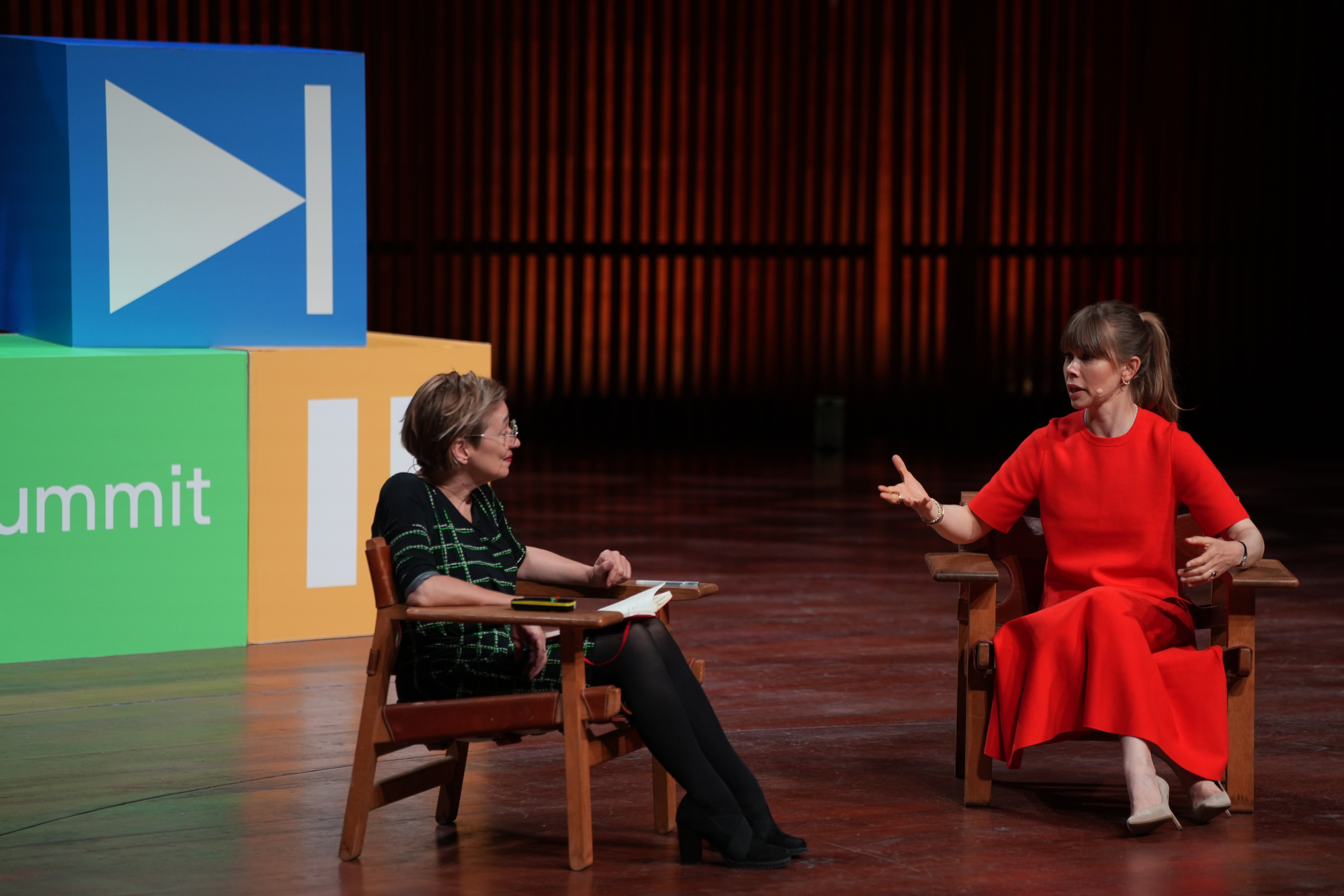
Birgitte Hjort Sørensen's craft comes down to a single moment: a human being in front of a lens, trying to be real and trying not to look like they're trying. From her breakthrough in Borgen to Game of Thrones, Scorsese's Vinyl, and Broadway, she has spent her career on the other side of the camera: the actor's side. In a closing fireside chat with TwentyThree Summit host Monique van Dusseldorp, she draws on the technical craft of performance and stories from her career to explore how to prepare for and deliver moments on camera that carry real presence, and what the people who make video for a living can carry home from those who perform for it.


Meet +50 speakers from companies like Lufthansa, Rituals, Vestas, AKQA, Apple, Oracle, Bird & Bird, Magnific, Famly, Hurricane, Valtech, Veo, TwentyThree, Gelato, Marketing Week, Allianz, Sifted and Overluce.
Birgitte Hjort Sørensen
Actress
Jon Mowat
Founder, The Hurricane Group
Co-founder of Hurricane, one of the world's first video agencies, and author of two video marketing books translated into seven languages, Jon Mowat completes his TwentyThree Summit trilogy with "Designing Video That Drives Decisions".
Puk Scharbau
Actress and Strategic Communication Advisor
The Bridge’s Puk Scharbau applies her years of experience as an award-winning actor to helping company executives communicate - and shine - on camera.
Sara Riis-Carstensen
Head of Brand Strategy & Brand Management, Lufthansa Group
Brand strategy starts with culture, not the brand. Sara Riis-Carstensen built LEGO's first global brand strategy – making it the world's most powerful – and now leads brand strategy at Lufthansa Group. She joins us on cultural relevance on camera.
Laurence Paquette
VP Marketing & Brand, Vestas
Laurence Paquette has spent 15 years building the Vestas story – now VP Global Head of Brand & Marketing at the world's largest wind energy company. She joins us with a CMO's perspective on how video turned the brand into a global icon.
Amanda Gandolpho
Head of Content & Design, Rituals
Head of Content & Design at Rituals (1,000+ stores globally), formerly leading brand at Swapfiets and shaping Unilever icons like Hellmann's, Amanda Gandolpho joins our panel on Video: The Marketing Leaders' Perspective.
George Mole
Video & Brand Manager, Bird & Bird
George Mole built the in-house studio at Bird & Bird – one of the world's biggest tech-focused law firms – and now scales daily video and podcast production across its 34 offices. He joins the panel on organising video in corporations.
Christopher Cole
Filmmaker, NYU Instructor, former Apple Video Producer
Five years as a Video Producer at Apple, the critically acclaimed short Terminally Ill, and now NYU instructor in 'Smartphone Cinema'. Christopher Cole comes to TwentyThree Summit to show how to make cinema with the camera in our pocket.
Kendall Dee Fier
Former Head of Video, Oracle
Kendall Dee Fier built Oracle's global video department – a 30-person team across production, motion graphics, design, and media tech – after starting at E! News. Now an on-camera host and strategist, she brings her playbook to TwentyThree Summit.
Rob Scotland
Head of Brand & Marketing, Veo Technologies
With a storytelling approach honed at A-list clients and agencies including Ferrari F1, Carlsberg, Xbox, McCann, and Leo Burnett, Rob is a big believer in the power of brands to shape culture.
Mads Fuhr
Studio3 Host
Joining the hosting team this year, Mads Fuhr brings 20+ years at the intersection of strategy, branding, and tech. Recently General Manager of AKQA Denmark, he now runs MAKETHINGS – his independent advisory bridging leadership, marketing, and tech.
Thomas Madsen-Mygdal
Co-founder & CEO, TwentyThree
A digital pioneer who’s been founding internet companies for 30 years, Thomas helps organisations and companies thrive in a video-first world.
Steffen Fagerström Christensen
CTO & Co-founder, TwentyThree
As co-founder and CTO of Europe's only player in the global video software space, Steffen has been pioneering the video tooling landscape for more than two decades.
Emily Trenouth
Former Head of Influencer, Amazon
12 years shaping how organisations work with creators at scale – influencer strategy at Amazon across 26 markets, and before that built MediaCom's influencer division at WPP. Emily Trenouth joins us with the creator playbook for B2B organisations.
Dan Duffett
Head of Client Strategy, TwentyThree
With 25+ years running accounts like HSBC, Rolex & Google for WPP/Dentsu, Dan now heads our Video Accelerator at TwentyThree, helping businesses to become fully video-enabled organizations.
Niklas Hagen
CEO, Hive Streaming
Born from Swedish public research, Hive Streaming is one of European video infrastructure's success stories. CEO Niklas Hagen joins our conversation on European Video: sovereignty, scale, and why building in Europe matters.
Rasmus Leth Skjoldan
CMO, Hello Retail
CMO at Hello Retail with two decades in CMS, content, and martech (8 years CMO at Magnolia), Rasmus Skjoldan rebuilt his entire martech stack with Claude. He brings the hyper-efficient CMO's playbook for the AI agent era.
Nadine Alice Kriegelstein
Head of Creative Strategy, Das R&
From Austrian broadcaster ORF as a teenager to Head of Creative Strategy at Vienna's Das R&, Nadine Alice Kriegelstein has built her career on craft. At TwentyThree Summit, she asks: "Has AI killed the video stars?"
Karsten Kjems
Audio Branding Strategist & CEO, Sonic Minds
Karsten Kjems founded leading audio branding agency Sonic Minds in 2004, long before brands thought about what they sounded like, and has since shaped sonic identities for Volvo, B&O, and Arla. He returns with a session on the audio side of video.
Björn Jeffery
Co-Founder, Toca Boca
Björn built one of the first European tech companies to dominate globally – Toca Boca, the Swedish kids' app he co-founded, hit a billion downloads. Now Vice Chairman of Acast and advisor at Outer Sunset, he joins our European Video session.
André Ribeirinho
Founder, PageRadar
Search isn't just Google anymore – it's the AI systems quietly rewriting how brands get found. Founder of PageRadar with 20+ years advising companies on how to be found online, André Ribeirinho joins TwentyThree Summit with a talk on video SEO.
Lev Cribb
Managing Director, Made to See
When AI can generate any face, voice, or scene, what makes video trustworthy? As MD of Made to See (formerly WebinarExperts), Lev Cribb has built his career on live, human video AI can't fake – and how to earn trust in an AI video world.
Rasmus Lundby Jensen
Video and Broadcast Lead, Ørsted
Building a corporate video studio inside a partly state-owned company like Ørsted means working with politics on every brief. As Lead Video Producer at the world's largest offshore wind developer, Rasmus Lundby Jensen has earned his stripes.
Monique van Dusseldorp
Concert Hall Host
Mads Naumann
Creative Operations Lead, Famly
Mads Naumann grew Too Good To Go's creative team from three to twenty-five, and now runs creative and marketing at early childhood platform Famly. He joins us to show how high-end performance doesn't always need high-end budgets.
Ida Sjöberg Dahlgren
CEO, Mbrace AB
CEO of one of the world's first true video agencies, Ida Sjöberg Dahlgren is redefining 'video' for clients from Swedbank to Sweden's National Board of Health. She returns to continue the conversation on how video agencies are evolving.
Nick Morolda
VP of Solution & Service Delivery, Hive Streaming
As VP of Solution & Service Delivery at Hive Streaming – the European peer-to-peer platform for enterprise video – Nick Morolda makes sure the world's largest companies run video reliably. He joins us on how video works on the internet.
Andreas Wahlman
Content Manager, Intersolia
Chemical management is technical and depth is hard at scale. At Intersolia, webinars have become the channel that makes it possible. Content Manager Andreas Wahlman joins us on webinars as a knowledge-sharing tool in a highly technical field.
Hannah Springett
Founder & CEO, HLabs
"Static, boring websites need to be a thing of the past." Hannah's words – so who better to join Reinventing the Website? CEO and founder of HLabs, the no-code design studio behind work for Vogue, Red Bull, and Accenture.
Marius Plenker
Senior Video Producer, Allianz
How do you organise video inside a company with 160,000 employees across 70+ countries? Senior Creative Consultant Marius Plenker is figuring it out at Allianz, joining us to share how to maximize every video in a global set-up.
Benjamin Hunnerup Faltz
Head of Video, SAXO
How do you convince the C-suite to invest in video, in a regulated industry where caution is the default? As Head of Video Content at Saxo Bank, Benjamin Faltz scaled disconnected efforts into a unified content engine that drives through the funnel.
Simon Crofts
Video Marketing Strategist and Client Services Director, Big Button
After 25 years shaping video for Meta, HubSpot, Microsoft, AWS, and PayPal, Simon Crofts brings the agency perspective on what works in B2B video. As Client Services Director at Big Button, he joins the Meet the Video Agencies panel.
Max Behrens
Co-founder, Overluce
12 billion views. That's what Max Behrens has generated with YouTube thumbnails for MrBeast, Bieber, Apple, Nike, Disney, and Red Bull. He recently co-founded Overluce, and joins us with – what else – The Art of the Thumbnail.
Cecília Boechat
Video Producer, TwentyThree
Cecilia is redefining the role of the Video Producer, to be a driver of change, strategy, and video enablement across TwentyThree.
Charles Arnold
Senior Video Producer, Gelato
For 15 years, Charles Arnold has made sure great ideas survive the journey from brief to the real world. Senior Video & Content Producer at Gelato, the global print-on-demand platform, he joins the Meet the Video Producers panel.
David Brain
Executive Producer, IKEA
David Brain leads all things video at IKEA, from technical production to creative output. With 20+ years across global broadcasting, podcasting, and live media, he returns to TwentyThree Summit as part of the "Meet the Video Producers" panel.
Anna Rabe
Strategy Director, AKQA
Strategy Director at AKQA Berlin, Anna Rabe has led strategy for Google, Netflix, Porsche, and the team behind one of HP's most successful campaigns, Made to be Less Hated. She joins the talk on how small teams deliver big output.
Dimcha Aiwi
Co-founder, Overluce
Dimcha is co-founder of Overluce, the creative studio that's driven 12 billion long-form and 6 billion short-form YouTube views for Nike, RedBull, Apple, MrBeast, Disney, Sony, and many more. He joins us with The Art of the Thumbnail.
Christian Bøckel
Head of Enterprise Customers, TwentyThree
TwentyThree's Head of Enterprise Customers, Christian Bøckel spent five years on digital transformation at Merkle. Catch his session on TwentyThree Personal and why personal video is the channel B2B leaders are quietly betting on.
Hugo Barne
Associate Creative Director, AKQA
Associate Creative Director at AKQA Copenhagen, Hugo Barne has led culturally loaded briefs – Discord, Jordan, Sony, Volvo, Minecraft – across eight years and several offices. He joins the talk on how small teams deliver big output.
Theis Nielsen
Head of Specialists, TwentyThree
Karen Stenz Lundqvist
Audio & Communications Consultant, Sonic Minds
Most video gets made picture-first. Karen Stenz Lundqvist works the other side: she composes electro-pop as Kaizer and creates audio brand identities at Sonic Minds, the leading sonic branding agency. She joins us on the audio side of video.
Søren Elsborg
Creative Lead, Sonic Minds
Producer and artist with a Master's from the Rhythmic Music Conservatory, Søren believes brands and artists both want to connect emotionally. As Creative Lead at Sonic Minds, the leading sonic branding agency, he joins us on the audio side of video.
Martin Edenström
Founder, MKSE
Martin Edenström founded MKSE.com, the martech news site read by 12,000+ marketing decision-makers every day. With 20+ years as a marketing and business leader, he returns to moderate this year's panel on video's role in martech.
Gianfranco Chicco
Creative producer, strategist and writer
With 20+ years at the intersection of design, technology, and craft – stints at the Webby Awards, London Design Festival, and curator of The Craftsman newsletter – Gianfranco is the obvious choice to return as Summit interviewer and host.
Christophe Lephilibert
Marketing & Communications Director, FLEXeCHARGE
From Nokia to Wallbox to FLEXeCHARGE, Christophe Lephilibert has spent 25+ years marketing tech. As Marketing & Communications Director at the EV charging scaleup, he's made video the engine of B2B growth. He joins our session on video strategy.
Karin Kalda
Global MarTech Advisor
Board Director at the Customer Data Alliance, with nearly 20 years building martech stacks for Samsung, Macquarie Bank, Singtel, and the Australian government, Karin Kalda joins us on The Role of Video in the Martech Stack.
Andy Ashton
Head of Technology & Customer Success, Made to See
Andy Ashton leads tech and customer success at Made To See (formerly WebinarExperts), the UK webinar agency. With experience spanning enterprise webinars and Twitch streaming, he joins us to launch our free Webinar Framework.
Charis Maimaris
Marketing Manager, knowledgecy
Creative is the strongest lever in paid social – not targeting, not budget. Charis Maimaris built his consultancy around that insight and now advises B2B brands globally. He returns with a session on making short-form video work.
Maria del Mar Vázquez Rodríguez
Video Lead, FLEXECHARGE
Experienced B2B content marketer Maria built FLEXeCHARGE's video strategy from scratch – ideation, scripting, editing, and managing it all from TwentyThree. Join Building a Video Strategy for her hands-on lessons from the trenches.
Sune Porsborg Børsen
Director, Head of MarTech, Valtech
Director and Head of MarTech Strategy EMEA at Valtech, Sune Børsen is one of Europe's foremost martech profiles, advising global clients across retail, healthcare, FMCG, automotive, and finance. He joins The Role of Video in the Martech Stack.
Martin Leblanc
CXO, Magnific
Few people have lived through the creative AI shift more directly than Martin. He founded Iconfinder in 2007 – the world's first icon marketplace – and sold to Freepik in 2022. Now CXO at Magnific, he joins us on GenAI: The Creative Revolution.
Emily Manock
Reporter, Marketing Week
Paolo Campagnoli
Head of Video, Unmuted
Paolo is an Amsterdam-based producer and strategist, and currently Head of Video at Unmuted, who drives the shift to video wherever he goes.
Toke Mølgaard
CMO, GS1
The company behind the world's barcodes and supply chain standards isn't one where you'd expect video to take centre stage. But as CCO of GS1 Denmark, Toke Mølgaard has made it central to how the org talks to the 7,000 companies it serves.
Johnny Axelsson
Head of Broadcast & Social Media, PwC
Helena Vinter Lethin Larsen
Client Director, TwentyThree
Thomas Hoeffner
Associate Production Director, AKQA
Creative gets headlines, strategy gets credit – production goes under the radar. As Associate Production Director at AKQA Copenhagen, Thomas Höffner ships work for HP, Miro, Novo Nordisk, and DSV, and joins our talk on small teams delivering big.
Mimi Billing
Europe Editor, Sifted
Clinton Marrs
Former Brand Designer, ASUS
"TwentyThree Summit is an entirely unique event. TwentyThree showed the care, commitment, and expertise to drive the industry forward with their vision for Video Strategy and powerful video tools. It was personal and professional. It brought together the European video community and showed the way. And I’m already looking forward to the year ahead and of course the TwentyThree Summit 2026."
Lev Cribb, Managing Director, Made to See
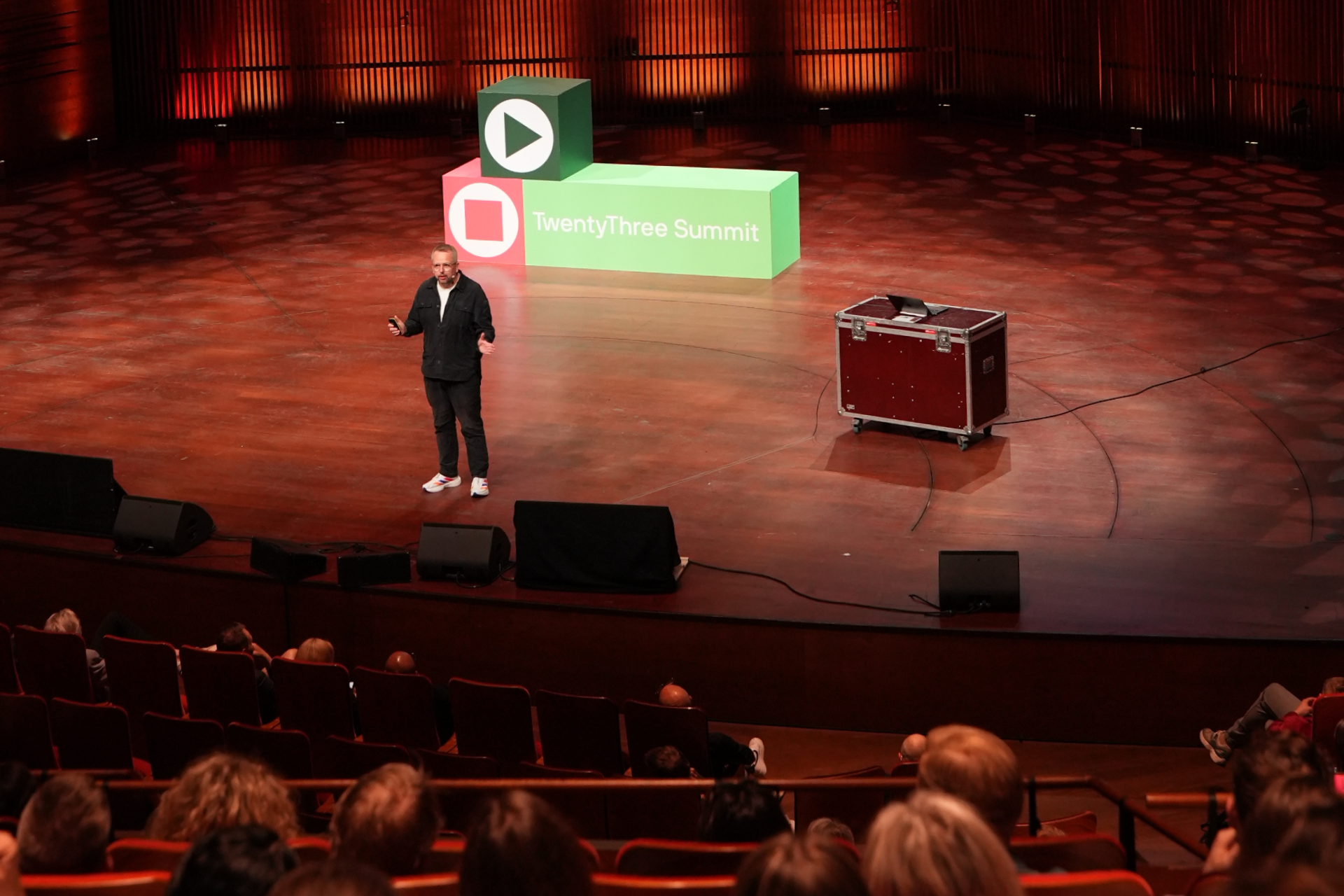
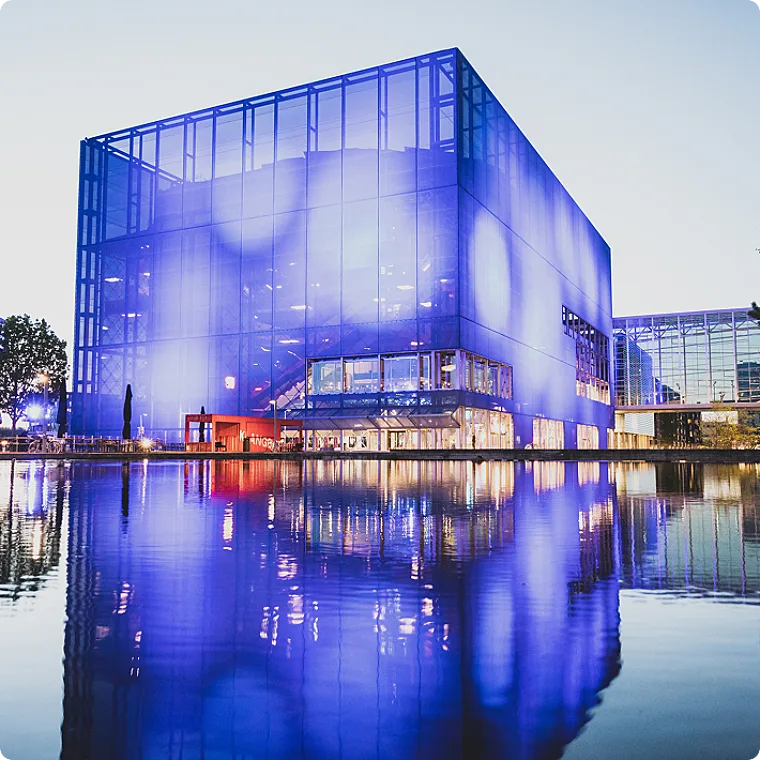
TwentyThree Summit takes place in one of the world’s most iconic cultural venues: DR Concert Hall, designed by French contemporary architect Jean Nouvel. Built as part of a world-class broadcasting campus, the hall reflects decades of radio, television, and digital production.
From sound to image and now to video, the evolution of broadcasting is embedded in its architecture, making it the natural home for the event where video people gather to move the field forward.
“I’ve met so many inspiring people, had some really good conversations, and listened to speakers who gave me a lot to think about. But it’s not just the sessions. It’s also the dinners, the little chats in between, and yes, even the party after. Those moments where you connect with people who are passionate about the same things you are. That’s what makes it so special for me!”
Kasia Pawlak, B2B Digital & Growth Marketing Specialist, FLEXECHARGE
I have something to reveal to you. I believe all of you have some unlocked potential that we can unlock within the next 40 minutes. And what is that about? That is about your voice. The theme here is Touch Me With Your Voice. And as we just heard, tenderness and intimacy is something we long for and something that can make life more human and also video more human, I believe. And how we use our voice is also a part of, is it beautiful and connective or is it a little bit like over the edge and a little bit rejecting people? So when we watch a video or a film, it's said that the audio counts for like 50% of the total experience. Of course, depending on what movie it is or what video it is. But there's a huge potential in how you affect people with your voice. Our voice transmits emotions, intentions. It's energy. It's vibration that actually connects with other people. So that is what I have happily been invited to explore with you today. My first point here is, can I actually see my notes up there? That would be beautiful. Because I see Touch Me With Your Voice and I know that. Can I see my speaker notes up there if it's possible? But my key point here, my most important message today is relax and be yourself. Because I'm inviting you into a universe with different things you can do with your voice. But the most important thing is actually to relax and be yourself. Because each of you have a very unique trademark. And that's the way you speak, your voice. It's not just a biological construct. It's also you're socialized. If you were in a family where people spoke like really loud, it's one thing. If they were really timid, it would also affect the way you used your voice. But I'm not here to say you should do all these things. Please don't. Pick one tip or two. Because the human ear is so sensitive to when we start to be fake or phony. I will go deeper into that. There is something called the "fundamental frequency" in our voice. And the ear actually detects if we go too far away from that. But maybe you have a hope to be sometimes a little bit more clear, a little bit more present, a little bit more engaging. And here your voice is a big and magic tool for that. But the magic doesn't lie in the tools or the techniques. The magic lies in that we shed light on something that everyone knows, but sometimes we're just not aware of. We're not aware of using that knowledge. So that's the key message. Remember, relax, and be yourself. Big, big, fantastic directors like one you will hopefully stay for this afternoon, Thomas Winterberg, Lars von Trier, Coppola, Scorsese. They all know that the human voice is a great part of how you can create magic on screen. Of course, it's a different thing than doing a personal video. But still, if you think of the Apocalipse Now, if you have seen that, Martin Sheen's voice is like taking us into this sad, mysterious universe just by his voice in the beginning. Also, Lars von Trier, he is really, really into using the voice as a way to create an atmosphere, a universe. And I would like to share an example with you just to highlight how the voice can affect us and how it can be used. So let's just listen to Max von Sydow, the fantastic Swedish actor, in the introduction to Europa, Lars von Trier's masterpiece from 1991. You will now listen to my voice. My voice will help you and guide you still deeper into Europa. Every time you hear my voice, with every word and every number, you will enter a still deeper layer, open, relaxed and receptive. It's a fantastic sound. I don't remember if it was in the list of beauty, but curiosity is a beauty of itself. And I'm super curious. I contacted one of Denmark's best in the movie industry audio persons, Peter Albrechtsen, just to make sure of some things. That I thought I knew to make sure they were right. And he just told me that when Max von Sydow did this, Lars von Trier asked him to lie down because then the voice got even more grounded and relaxed. And also, instead of transmitting it from one speaker, as you usually do with dialogue, it was transmitted from like all three speakers in the audio set up in the cinema. So you really get enveloped by this sound. Also, hypnotists use their sound to put people into a specific state. I read in Leonard Cohen's biography that when he was 14, he picked up a book on hypnosis and he wanted to test if he could do it. So one day when he was alone in the house in Montreal where he lived, his mom was down shopping. He asked the maid, he had a maid in his house, to come in and sit on the couch. And he started, okay. And then he got her to undress. And then he was a little worried if he also could redress her before his mother got home. But I believe, I just, it just hit a point because I believe that in his music and his universe, that hypnotic sense is really there when he sings. So the voice is a fantastic tool. It's a magic tool. Why am I talking about the voice? I had a beautiful introduction and I just want to let you know that I have a little bit of a voice journey. You saw my two boys when I was pregnant. I could not work in the theater or in the movies. So I did a lot of voice work. I've done audio books recording. And it's important if you do an audio book, you should not overshadow or over modulate. You should just be there to support the art that is already there. So you lend out your own voice. One of my proudest lend outs is to Jesse. Yee-haw! I will not do it loud. Your ears will have a crisis. But I was in Toy Stories and I followed Jesse. For 30 years. And I believe there's a movie number five coming up. She has a really big, huge part in the film. I've also worked with Steve Spielberg. Just doing the Danish voice of the mother in E.T. So not really, but kind of, sort of. And then very small because I'm not that proud of that. But I've also done a lot of commercials. And in commercials, you really have to know how to use the core of your voice, but really compress it. The old spice. The most wonderful perfume. You know, you use all the power, but you pull it back. So I have myself a lot of experience. And I think it's a fantastic tool to affect people and create atmosphere. But this is not about Max von Sydow. It's not about me. And it's not about Steven Spielberg. It's about you. So I just want to say what I really, really love is to help people to be more free and more expressive. Be more themselves. And to have a voice. I had a woman recently who came to me who was Icelandic Danish. And she found when she was Icelandic, she had this very, very free voice. And when she was Danish, she was a little bit more timid. Because first, when she came to Denmark, she was doing all these little mis... What do you call it? Expressions. She didn't really know the language well. So she had like, stringed herself a little bit. And then we made a recording of her speaking Icelandic and speaking Danish. And we tried to... How could we merge that so she became her Icelandic eye in the Danish language as well? So that's like my passion. Because it's fantastic to see a person free themselves. I also had this CFO. The CFO and the CEO came to me. And the HR director said, you have to fix these people. Because often they're in front of investments, analytics. And they're not really doing a top, top job. And especially the CFO. He was clearing his throat all the time. Like really. You thought, what is going on? And we had like the last session. I had very little time. These people. We had the last session. I had one and a half hour. And I had to fix that problem. And there I had to use all my different kind of entrance points to a human being. And he came up from one of my questions. He said, five times... Five years previously, he had been working in a big Danish company. Really one of the big ones. And on stage like this, in front of the investments analytics, the CEO was telling this very beautiful story that was not true. The CFO knew because he knew the numbers. So it was a question of integrity. You also say our communications chakra is here if you're into that. But he could not really stand the lie or the non-sincerity that was coming out of the CEO's mouth. So he tried to clear it out of the way. And when I said... When we talked about that, I could see his eyes start rolling. Like, whoa, whoa, whoa. Something was happening. And then he said, because I work also with strategic communication leaders, strategic planning of their communication. So he said to me, Puk would not like this. Because we didn't plan anything. Because we didn't need to. Because all the numbers were actually right and transparent. And then I said, okay, so could you say that I can speak freely because all the numbers are right? Like a mantra. And he was like, again, I could see it was rolling. He went out of the door. And one and a half months later, I asked the HR director, so how are we doing with the... And he said, what did you do? And it was totally gone. I also advised him to go back and share this story to really set himself free. And this was a question of setting a person free because he could have been fired from that vocal issue. So this was a little bit about other people. And again, this is about you. That's why you came today, I'm sure. You want something home. One tip or two that you can actually use And as we know, the voice is a part of your personal brand. Be yourself. Relax. I will come with a little bit more points to that in a moment. The voice is also for yourself an entry point to your energy and your presence. Because if I came in today and spoke like this, I would not really create a really big field of energy for myself. I would not really be in my body. So if I actually use my body to speak, I open up my physical energy and I become more safe because I create a little powerhouse for myself. I can actually sense how my body heat has... Not only because of the natural tension of staying on the stage in front of you, even though you are sweet people, this is natural. But also because I'm using my voice, investing my body in speaking. And that actually gives me this powerhouse. So I feel safe. We also connect to other people. What is your name? Josefine. I could speak to Josefine like this. Josefine, I have a few key points that I would like you to take up. Josefine, I have a few key points that I would like you to take home. So I can actually project my voice without shouting. But just let the energy and the intent travel. We will go into a practice section a little bit later. And you can already prepare because I will ask one of you to volunteer. I will not point at anyone, but I will ask, would anybody come up and do some magic with me here? We can do magic. But first, you also affect people's nervous system with your voice. Excuse me, what is your name? No, no, no. People get rejected by that. So how do you connect or calm people? In a video or in a meeting? My most dramatic story about this. You saw the two boys. They are much older now and alive. I just want to state that. Because some years ago, 10 years ago, I had a call late in the night after the oldest one should have been safely home. And I picked up the phone and a person said to me, hello, my name is Thomas. I'm a paramedic. I'm here in the ambulance with your son. Kind of like that. But very, very, very calm. Very, very clear. And when you have such a call, a nervous and natural tendency to go totally over the, into an anxiety. But with his voice, he actually guided me into a calm state where I could ask, what hospital is he alive? And everything was fine. It was a bike accident. So since then, that Thomas just have popped up into my mind. Like, what was it that he was able to do just with his voice? So that is what I would love to explore with you in a more practical session. Because sometimes we think voice work is, oh, that's for actors and that's for politicians or singers. But no, it's for everyone. Again, we use our voice all the time. Have you ever had the, reaction yourself? Oh, I don't like to listen to my voice. A lot of people have. When was the last time you had feedback on your voice? Yeah. Yeah. Was it useful? No. So what you can also use this for is to be more specific on what is it you want to improve. And again, just pick one or two things and then you can actually ask for specific feedback. So you can develop. But what can we do? What we know, there's some facts. There's some science behind this. We of course know that a vibrant and dynamic voice can actually catch our attention and keep it. And some of us talk more like if we're sitting in a train, it's like the usual track of melody and it doesn't really are very dynamic. We don't want that. But we don't want it to overshadow the content either or be too phony or fake. There are these facts that people who speak with their lower pitch, not a fake lower pitch, they are ranked higher in the social hierarchy. There's this test where a group of people were asked to solve a task and at the same time they had to rank each other in a social hierarchy. And the people who were ranked highest was the people with the lowest pitch, their own lowest pitch. So you're not like doing a fake pitch. That's not recommended. But you should find the spot where you actually speak from your chest resonance. Because then we can hear not only your cranium sound up here, but also here there's a whole body and a person behind the sound. So some people take it a little bit over the top. For example, this young woman, I'm sure you know who she is, the Stanford dropout, Elizabeth Holmes. She created a fantastic company that collapsed like a souffle and now she's in jail. Short story. And she did something with her voice because she knew it is a big part of a personal brand. So another example I would like to share with you comes up here. It turned out he had a nub on his elbow and we talked to our lab team and they said, okay, you can do the draw. And so they did this, what would have been a finger stick on this little nub on his arm. Sure. Over the last 11 years, we've reinvented the traditional laboratory infrastructure. So again, don't overdo it. She also put on the black turtleneck to be a little bit more tech-savvy. And I just think she did this for many, many years. What a lot of energy and focus it must have taken from her total field of focus. There are some science behind this. There's a woman called Anna Lavawetz who has done a PhD in preferred voices in the broadcasting industry in 1912 to 2021. No, 2012. And just a few points because this is a kind of floaty area. So how can we be a little bit more exact? One thing is that we know from science that we like to listen to people who speaks with an embodied voice. And again, that's not speaking from your cranium. It's not swallowing your words totally. But we hear this resonance. I will do a practical test of that a little bit later. Also this, that we are intuitively sensitive to what is called the fundamental frequency. You don't have to remember this. But it's just to say there is a frequency that matches a person. And when we go too far from that, like with Elizabeth Holmes, the ear detects something is wrong here. So that's why you should just be yourself with a little bit more awareness maybe. Also, very, very interesting, we actually mimic the tension that we hear in other people's voices. So if I spoke like a little bit more with a little bit more strain or a little bit more tension in my voice, you would sit unconsciously and become a little bit more tense. And that's also why the hypnotic kind of relaxing yoga voice is very, very airy and very, very relaxed because it makes you relax. So that's why relax and be you is the key here if you want to touch people with your voice. But we do like clarity and presence and we do want people to express themselves. It's not overshadow the content or the message. So what can we do? Let's look into that. What is actually doable? If we again go back to this with the embodied voice, what is that? What is an embodied voice? I could get very nerdy and into a big universe now. I will not do that. We have not enough time. But there's a voice guru called Roy Hart. And he's a mentor. He was in the World War I. And there he heard people use their voice in a way that should not be humanly possible. It was not a beautiful scenario. But he got very into how could that be possible. And he started to study the voice. And later came a recording where he does all the voices in the, what is it called, the magic flute, the opera. And he found pretty, but he was able to like do eight, what do you call it? Yes. A lot of voices. And what he said is that we all have four voices or four placements of our voice. So just to demonstrate very lightly, I could speak like with a young girl's voice where I only use my cranium up here. I sometimes see mature women in corporate life who still speaks like this. They have been running up the career ladder so they didn't really settle down in their body. Then we have the more mature woman's voice. And the only difference is I speak more from here, more from my chest resonance. We have this intent that we want to reach people. But the more we stay with ourselves and transmit from here, the more we will actually grasp people with a nice rounded voice. Then we have the young man's voice. It's the same placement, but it's just closing the vocal cords a little bit more. A little bit more directive. And then we have the old man's voice like more Max von Sydow. If then you need a new recording, I can probably offer that. Or if I need a raise, something like that, I use my belly a lot more. But it sounds phony. So for me, I would try to stay up here. So the embodied voice is because we like this intimacy. We like this tenderness, this vulnerability. We like to hear that it's human. And we also like to hear a voice that is not affected by or creating fear. So we can calm people with our voice. We can create atmosphere. We can engage them. Are you ready for some magic? Yes. I love that answer. I hope for that. So magic would be for one of you to actually volunteer because I've been speaking a lot and that makes sense. But it makes more sense to see someone actually work with their voice. Anyone who would be willing to come up here? We have a very courageous young man here. Welcome. What's your name? Welcome, Daniel, to the stage. Welcome, Daniel. Hello. And I can assure you, you just have to be yourself and relax. The immediate reaction standing in front of people is like, ooh, the nervousness because we out ourselves of the flock. But you are with us, aren't you? Yes. And will you also do the exercises with Daniel? Yes. Good. So, Daniel, I will just find a little piece of text and then I will tell you what we can do. A piece of text. And what I would love us to do is, can we see the text up there and then see Daniel up here? Yes. So I would love us to actually see Daniel. Yay. Yay. And Daniel, were you here last year? Yes. Not here, but at the summit, yes. Because I had a super tool that can be repeated and that's about, first of all, remember your deep breathing. Remember when you're in a position like this because it does affect you with all these eyes on you. So just breathe and then we have a text here that will appear. And the invitation, because we will do the magic together, is that I would invite you to read aloud the text once. Then I will give you a little bit of tips and we will see if things changes. And I will give you three, maybe four little tips or techniques that you can use. But remember, never apply them all at a time because then it will be very phony. So, here is the text. Are you okay, Daniel? Do we have some more water? Do we have a water bottle? Yay. So if you need some water, that's the speaker. The speaker is the most important tool. Never take it too cold because you freeze your vocal cords. Take it lukewarm. All right. So let's do the first run through and see. And naturally, if you read a text for the first time, it's a little bit like, whoa, shaky. That's totally like it should be. So when you're ready, you can go. I love being part of these summit days, getting inspired, meeting great people, and just enjoying the time. Enjoying the moment. Yay! Beautiful! And if you can actually show the text on the screen up here. Because the first advice, if you're going to speak a text, say a text. Can you put the text up here as well? Is that possible? It's actually to decide what is the power words. Because not all of the words in a text is important. Some words are just transportation. I love being part of the summit days. So love could be important, summit days. Not too much, but decide what is important. And maybe emphasize those words a little bit more. When I say emphasize, it says highlight up here. And a way to highlight a word could be to take a little mini pause before the word and after. I love being part of the summit days. So I decide, I actually don't use the written punctuation at all. But I decide my power words and I really give them room and time. Space and time. Would you be okay to try and test it? I think he's so courageous. And you can have a couple of runs. You don't have to. This is not about being perfect. This is about exploring and see, is there a difference? So you can go when you feel fine. I love being part of these summit days. Getting inspired, meeting great people, and just enjoying the moment. Beautiful! And what is this? This is just my little hand drawing of, if you don't decide on your power words, if you just say, like, I love to be at the summit. It's just like running down a ski slope without any kind of twists. So you can consider your power words as the flags. And it takes down pace. A little bit. So you are actually in sync with your message and your content. And you're not just like, scaringly going down the slope. Does that make sense? So I love being part of the summit days. And vice versa. This is overdoing it. It's training. When you start exploring your voice, it's also really important to consider that there's a training room and then we have the concert hall. And only take one or two things into the concert hall at the time. Maybe none. Just the breathing first. We had this with listening in the other talk. And also this about listening. How do other people use their voice? Can also open up your own awareness. What can we do more? We can, of course, use the beautiful tool of smell the flower of taking pauses. So you can also decide before you start speaking. You breathe in through your nose. And then you actually speak on the out-breath. And not all the time, but after a section or a power word, you can actually reload with breathing and also inhabiting your Buddha belly here that makes us feel more safe and make our voice sound better. So I've just put in some suggestions. If you can see them, Daniel, up there. There's a little star after days. After inspired. After peoples. And then I put a suspense one in. And just enjoying the moments. Because also having that pause is like, what, what, what, what? And then it expands the next power word. Let's give it a try. You can do the watermelon from last year if you feel a little bit tense, like just freeing yourself. I just recently heard that when you do that, you also tell your body there's no wild animals nearby. Because then you would never do this. You would. So. Yes. Then try, Daniel, by starting by taking the in-breath through the nose and then speak on the out-breath. This is training again. And we're not after perfect. I love being part of these summit days. Inspired. Meeting great people. And just enjoying the moments. That was a dish of view of when Pete Joseph was here a little earlier. I got touched by this because I could sense Daniel here. And I believe you could as well with your reaction. And also because when we sometimes I just advise people to have time in one hand and your deep breathing in the other hand when there's something at stake or when a camera is in front of you. Because then you are in sync and you're more present. Beautiful. We can do more. I love it. Yay. Because then we have this with the embodied voice. And again, do not overdo it. Not you, Daniel, but people as such. This woman actually really, really overdid it. I encountered her existence six years ago when I really started a journey into exploring the voice. Her name is Marianne Simnet. And she actually injected Botox into her vocal cords because then it became like a permanent lower voice. And she just wanted to explore how it could merge the sense of identity and how people actually just react differently to a person with a lower voice. But she really took it too far. I promise I will not do anything here. So what we can do and here I need help from my friends. From our friends, Daniel. So the thing is again, I call this sometimes to go a little Pavarotti. Like overdo it. And then maybe just bring 10% back to your normal voice. And going Pavarotti is like trying to explore this sensation of your chest sound. Actually, we do have time for saying if you had to go on stage here later or do a video, maybe you're invited for an interview later, how can you prepare for this? I want to classify the opera singer and was like one hour of preparation. I've cut it down to one or two minutes. What you can do and you can actually do it here with us right now. First, relax your jaws. There's three little things you can do. First, you can tilt your head, open your mouth a little and see if a little fake yawn appears. Then you can do it to the other side and again, see if there's a little fake yawn up here. I went to acting school for four years and the first year was only about relaxing. Because it's so important to be present and to receive inspiration and intuition. If you're tense, it will never happen. So this is an entry point to become more present. This, then you can take your knuckles and see are there some deadlines hidden in your jaws? After these some days, because if we're too tense, we cannot really express ourselves and people also pick up that tension. So very comfortable. And the last thing, should I do it with my back turned because it's not really flattering. It's the camel chew. Don't do it on a date. Again, it's about releasing the tension and making your most important area ready to express words. We are so lucky actually. I'm listening to these tapes about non-speakers and we're actually very lucky that words can actually come out and we could see, could they become a tool of compassion and inspiration when we actually open our mouth. But that's a different subject. What more can you do? You can release your belly. A lot of us have been taught to like, pull in the belly when we are in official settings, but we should actually relax because our diaphragm should be able to work with us. And that's also where we can use, smell the flower and just let the belly unfold. You can also do a three times three breathing, three in, hold three, three out. But this is about letting the body actually breathe freely is super important. And the last one is this, go Pavarotti. So if we go Pavarotti, it's about putting a hand on your own chest and open your mouth, high ceiling, and then breathe in through the nose. And this is again, not about producing. It's about maybe just open your mouth and let the sound appear. And why should I do that? It's because my brain also sends, I'm about to go into this video recording and I've not said a word. If I start using my voice, I actually create audio to territory. My brain picks up, Oh, she's taking space up today. And I become more confident. And also, of course, it warms up my, my body and it clears off all kinds of little dirty things on my vocal cords. So this you can do in two minutes. So then the Pavarotti voice in action, if we go back to the text, now it becomes a little bit contraintuitive because we should use this resonance, but we should also withdraw it. So we speak more personal. So first you try and breathe in and say out loud, what a wonderful day today. If you're ready to do that. So breathe in, smell the flower. What a wonderful day today. You can do it better. Even louder. It's energy that comes out of your mouth. So try once more. Breathe in. What a wonderful day today. Yes. And going Pavarotti is also about over expressing the articulation to warm up these muscles as well. So if we have done that, then next we need to pull back. Because if I'm on screen, I don't have to reach people like this. I actually just have to reach people like they were sitting on my shoulder because that's the distance they will have when they open their computer and watch me. Hello. Good morning to this wonderful video. Hello. Good morning. Welcome to this wonderful video. Maybe I was overdoing it a little, but this is about speaking in this distance and not trying to reach people out there. Wow. That was a lot of information. If you can just, Daniel, try to say, okay, I start the engine here a little. And then you try to speak from that point. But already now you have a really, really nice pitched voice. So just explore. And it's a good idea to, yeah, first go ah, and then close your mouth, breathe in, and then speak. I love being part of these summit days, getting inspired, meeting great people, and just enjoying the moments. One last. Can you hear me? Yes, you can hear me. Can I shut myself down? Can you shut me down? I'm not hearing. Okay. All right. Last time. I love being part of these summit days, getting inspired, meeting great people, and just enjoying the moments. Yay! I just have to ask you, Daniel, how does it feel? You're really courageous because it's very intimate to work with your voice. Because we are, there's a lot of emotion also in ourselves and with all these nice people watching. But could you feel a difference yourself? Yes. I think the breathing in, just kind of being in the moment helped a lot. Yeah. Just being within my body and understanding my limits and being my natural self, not forcing it. Yeah. I think that was very important. Beautiful. You did a super good job. And thank you for helping me here on stage. Thank you, Danielle. A hand. I once were working with a man who was almost two meter high. And when he spoke, it was a little bit like held back. He was like working with security, was before that in the army. And he was like, mm-hmm. And I was like curious, what was going on? And it showed up that he had been told that he was taking up too much space. And then we started working with this spot. And I also said to him, you are no longer employed. You are now the CEO of the company. And he started, you know, to really use his voice. And of course, in some situations, it could be too much. But what we think of ourselves, the role that we actually allow ourselves to take is also influencing how much vocal power we allow ourselves to use. Just a little last thing because we can do it. There's also this about, I can have help sharing it with you because it's a fantastic little tool called the clap trap. We love the power of three in rhetorics, in marketing, et cetera, et cetera. Often we have three examples of three power words. But if you say them with the same tonality, they can actually become a little bit blurred and it means a little bit the same. If I should say this, I love being part of the summit days, getting inspired, meeting great people. And just enjoying the moments. And I could continue. There could be much more. You don't know. Because they're flat. They have exactly the same tonality. There's a British professor in rhetorics, David Atkins. And he wanted to find out why do people sometimes know when to give an applause. And sometimes they're like, is it now or not? And he named this little concept a clap trap. Because we are also coding our messages with the tonality that we use. If I want to sound final, for example, this I have decided. Or not. This I have decided. I have. So the tonality, the finality is also important. And if you have three words or three sentences, you can do a little magic clap trap. And you can just decide that the first sentence or word is neutral. The next one is going up a little bit. Then you can create that magic suspense paw, smell the flower. And then be sure to be final. So then it would sound like this. I love being part of these summit days, getting inspired, meeting great people, and just enjoying the moments. And it wasn't a bit too much. So again, this was a way of exploring how we touch each other with our voice, with the energy that we transmit, the emotions, the intentions. But really, really, really important is remember to relax and be yourself. Because we pick up when people are too artificial or if all these little tools overshadow the content. So I hope you have picked one or two little things that you can explore. There's time, I believe, a minute or two. If there's a question, there's a minute. Anyone who has a question? Who has a question? Yeah? Yeah? Woo, that was quick. That's what you call a runner, isn't it? Yeah. It was more a comment on the Nick Cave quote that we heard in the prior and about being real and AI not having real experience. And I just thought that your talks on speech as well kind of teaches some of the same things about being real and that is something that AI probably can't take away from you or any of us. Beautiful. Yeah. That's a very nice way to put it. And again, I believe this, it's about the awareness that we can shed light on something that we already do. When I started working with some of these tools in corporate settings, I was stunned that people didn't know this because it was ingrained in me from my actor's upbringing. And I found out it was really valuable for people who have to stand like in this spot and speak. So thank you very much for that comment. I believe we are right on time. So thank you very much for your time and your interest. Thank you.
Touch Me With Your Voice
Your voice is one of the most powerful tools for connecting with an audience, especially on video. This keynote shows you how to harness tone, pace, and presence to engage viewers authentically. Discover the power of your voice with Puk Scharbau.
I wanted to introduce a little bit the idea of the paradox of video and the challenge of video where we are just now. When we look at the marketing spend, people spend about 26.6% of their overall marketing investment in tools and the rest on advertising, the team and agencies and services. But when we look at video, we see it be 1 or 2%. And that's paradoxical because video is this amazing paradigm, one of the biggest paradigm of our times. So one idea for you as change makers today is that we really need to look at video as being perhaps not only about video at this point, but also about fixing some of the core challenges of digital. We've spent about 30 years in digital, removing all the human beings. I can buy anything at any point in time, effortless, transactional. So the theme of the TwentyThree Summit this year and also a theme I want you guys to think about is that we are in this great rebalancing where we removed all the human beings. And it's not that we want to throw away all the great benefits that we got the last 30 years, I guess. But we're really in this kind of great balancing of trying to get the human side back again, right? The first one today we want to announce is a concept of strategy. So if you look at every other field in digital, and almost every other field in business, there's a strategy. And the last six months, our team has been running around trying to find somebody that had a video strategy. They had digital strategies, they had social media strategies, they had content strategies, some of them even had AI strategies. But we have failed so far to find a single company that had a written down video strategy. Today we are open sourcing an all new video strategy framework to give you the tools, tools to build a video strategy and go back and implement that in your organization. To expand on what Thomas has said about the video strategy, over these six months I've been working with clients and partners and looking at that need for the video strategy. And we distilled it down to these six pillars. And what we felt was using these pillars, we would give change makers all the tools if they workshop it around it, the data and the insights with which they could create great video strategies. The second thing I want to talk about is a topic very dear to our hearts at TwentyThree. And that is Europe. At TwentyThree, we are hosted, built and owned in Europe. The TwentyThree cloud runs 100% in Europe. And we're checking off all the things you can from ISAE 3000, European Accessibility Act, ISO 27001, DORA, and soon the European AI Act also. But I'm also proud and happy to announce today to you that a few months ago, we started a project to be 100% only using European vendors. We're far along on the road to really be a strong Europe. Today we're announcing a world's first, which is live webinar spots. So for a long time, our webinars have been on third party vendor based landing pages, totally segregated from the rest of the experience. So imagine that your website had all those webinars on it, you have your website, and the minute your webinar goes live, it starts running a preview of the video feed. So suddenly, you can move your website to be live and be active instead of all your webinar activities sort of being somewhere on the side. That's number one. Number two is really about developers. And at TwentyThree, we love developers. But for a long time, our developer tools were really old. And that's because we actually built it many years ago, with a huge effort we worked on the last year to really make it first class developer experience to build video driven websites with all the tools, both from a design perspective and from a code perspective. And also we have it to announce that we also now are running version control and developer sandbox so that when you have 40, TwentyThree accounts, running across your global organization, and you're you're developing a new element, you're not sitting doing it in a live environment. So we are doing all the components to really move the developer experience up to what you would expect in 2025. So we've been building a new web page with with spots and with live spots from TwentyThree. So you can kind of see the same pages, the same stories, but we actually using all of our assets, I'm basically making sure that all the assets, all the selling all the engagement, all the customer stories that we have as a company actually get to be displayed in the page. So this is a really easy way of getting getting your content out there. So I can put in new content into the page and actually have that live updating across. So all of the changes that you're making go directly out into pages, all the webinars that are going live can actually now be seen by the people. So that kind of combats the fatigue of kind of that webinar that just lives in a corner that needs to be promoted and doesn't actually hit your front page. So that's a quick demo of the web studio in TwentyThree. To show you what it means to actually really have a video video driven website and really be video driven in your overall strategy. We are working with an incredible organization that we're happy to announce today. The world's best restaurant Noma has an incredible think tank to try to lead the way on food culture globally sustainability. And what we think about doing every day is working with people in hospitality to dare for a better future. Thomas and the team got us thinking about how video can accelerate change can accelerate our impact. So now on our website, you can see 190 videos from some of the best chefs, scientists, artists, academics in the world, thinking about the connection between food and the world we want to build to the future. Let's talk a little bit about webinars just before the summer. We did the sixth release of our webinar product in 2018. What feels like a very long time ago, we launched our webinar product as the first second generation webinar tool, one that didn't require software to produce and one that didn't require people to download software to experience it, the webinar. And mind you that these might still be very big innovations because most of the products that are used today for webinars are still trying to drive people to download software. And we still love webinars. We know some of the biggest brands in the world have been built on it. We know it's the big change. And that's also the paradox of video that just webinars alone is such a big field. With TwentyThree Webinars6, we are dialing up a bit more to really move webinars into being up to par with everything in the digital world and not be stuck in a video conferencing webinar world. The first thing we have is action cards. So you can now put action into the webinar, kind of imagine it as kind of live shopping style. You can put forms in, you can put collectors for feedback. You can drive clicks with small images and banners linking to something people could buy or something people should be driven to. Where before we've only thought about webinars as engagement. So now you can really drive the results. We've also worked very hard on trying to generate content from your webinars. Last year at TwentyThree Summit, we launched all the features to do automatic clips out of your webinars immediately after. Something we all know we need to do, but we often don't do it because it's a very manual and tiresome process. Then we waited a day or two and then we forgot what the good pieces in the webinar was, right? So now every time you've had your webinar, we will automatically start generating a suggesting content that you can do. You can do a blog post, LinkedIn, social articles, different formats, whatever you want. We're also with Webinar6 doing live transcriptions. We've also got a lot of solutions, AI driven so that you can have the live making everything accessible. Also being able to translate it into 27 languages instantly. We also worked very hard on fixing the production experience because as any one of you know, sitting, producing a live webinar can be extremely stressful. You're using some software, a webinar product. You have sort of a script often printed out on A4 paper. You probably have some slides and videos you want to run. And then you're going to put this all together live together with audience participation, a lot of going on. So with focus mode, we're making it possible to do a second screen that you can set up the way you want it. You can imagine a little bit like you would set up your slide preview or if you're doing a presentation. So I'm really happy to announce that yes, we are now doing webinar series. You can do recurring webinars. You can do episodic webinars. You can do time-limited webinar series. And obviously the key here is you're building an audience or you're building evergreen content by making a masterclass of three webinars that are going to be packaged together, right? All kind of podcast style, episodic webinars, or you can set up a recurring webinar on your website that just keeps rolling, right? The introduction to the company product. So it's really simple. You just do it as if you were setting up a normal webinar and you can obviously template them and do all the other elements you can do in the webinar product. Action cards, it's beautiful. Now we can, how do you say that? Feel the water during the webinar with action cards. The hocus focus, I call it. We mostly run our webinars with two hosts. And with this focus second screen, I think we really can now start focusing on the job at hand. So one looking at chat and what's actually broadcasted. And the other one is involved with the speakers and make sure that everything runs on time, right slides are up, etc. So, it's a really good thing. The last thing we want to talk about is something we call the video brand If video is 50% of your engagement it means that 50% of the brand experience is is a little bit like this if you are somebody that cares for your brand cares for standing out cares for building beautiful things then to see it be thrown into these environments and that being the experience of your company and your brand is obviously not something that we should be accepting And the video brand is really not something we should be accepting. You know, branding from the existing elements, classic kind of branding. Video brand is all the other parts that are about video. All the touch points, all the end elements, the whole experience of the webinar room of a video player and all the creative components to also make your video brand at the end of the day. So the video brand is all your elements that you can brand any way you want. Colors, feel, motion. Today, we're also introducing another all new product element, which is the brand studio. So within the TwentyThree Exchange, you now have the capability to define your video brand and all the elements. Build a brand book for your video brand, connect all the elements and also easily deploy them across your organization when you make updates to it. There's no doubt about the fact that video and motion are absolutely essential to the brand systems that we create. And that is why we are super excited to to duck our feet in this experience that Thomas explained. The whole notion of having the brand identity embed every pixel of the video experience. We wanted to finish off a little bit on AI because we love AI and all of you love AI. We already have a lot of AI features, AI transcription, AI translation, AI webinar content generation, AI live transcription in the product. We're also introducing a content studio, which is your playful, explorative environment to start thinking about what those 500 or 1000 video and webinar elements in your TwentyThree account can be used for. You can select a selection of videos and webinars, one or many, and you can then explore what types of content it can create. Articles, LinkedIn images, blog posts, etc. Because you have all this data already sitting in there. Today, we're happy to announce an all new video app framework to make it as easy to build video apps as it is to build all the web elements. Until now, it's been for the few, the big platforms that can build video apps. But now everyone with a little developer love and a little bit of design can easily build a video app. It could be for all your customers, it can be for a partner channel, you can start imagining all kinds of different contexts. The video app has both your video and your webinars. So you get a push notification when you have a webinar and you one click in the app to experience it driving higher participation. It can be a standalone as an all new app. If you have a lot of content and a big content strategy, this is probably where you want to be going. If you already have an app with a lot of users, you can put the videos as a section into the existing app you already have. That was the TwentyThree keynote in 2025. We're building an all new team with the video accelerator team to drive the craft and the practice and the methods forward with the video strategy framework. We're doing a big push on the video driven website, making it live and video driven. The video brand allows you to brand that other half of your engagement that currently isn't branded. Webinar6, the content studio and the video app. Thank you.
TwentyThree Keynote 2025
At TwentyThree Summit 2025, we pushed video forward with groundbreaking platform updates, including world-first breakthroughs in webinars and video on the web. Watch co-founders Thomas Madsen Mygdal and Steffen Christensen demo it all at the world’s largest conference on video.
Good morning, welcome, and wow, I was sitting backstage, I just wanted to say what an incredible voice, Pete Joseph, so maybe just another round of applause for this incredible musician. I didn't want to come, I just wanted him to continue to play. Here we go, okay, and it's wonderful to be back in Copenhagen. Exactly ten years ago, Thomas invited me to Klub, his club, to talk about then my first book, which was called The Business Romantic. And now ten years later, I feel like it's coming full circle. So back then I talked about how to live beautifully in an age of data. And today, I guess I'm still a romantic, even though I have grown more cynical lately, maybe due to age, I suppose. But I'm still on Team Human, and I'm still a romantic, but the times have certainly changed. And so the title of my talk today is, What it means to live beautifully in an age of data. What it means to live beautifully, so that's the same, but in an age of fractured reality. But actually what I want to talk about is this, finding the beauty in all this shit. Because I think that shit, for me, is a pretty accurate description of the moment that we're in. Record temperatures, heat waves across Europe, across many parts of the Western world, wildfires. The world is on fire. And this quote by the futurist Monika Bilskite describes it perfectly in video and cinematic terms. Climate change will manifest as a series of disasters viewed through phones with footage that gets closer and closer to where you live until you're the one filming it. And that can probably be said about any of the crises of the so-called Poli-crisis. Right? This web of entangled, mutually amplifying, crisis. Everything is interrelated and not necessarily for the better. Case in point, by the year 2030, the energy consumption of data centers worldwide will exceed that of the entire country of Japan. So the zone is flooded, the world is on fire, and the Poli-crisis, eventually it will come knocking on your door. Then a few months ago, a friend of mine pointed me to this article. Written by a semi-sentient AI named Uncertain Eric. And Uncertain Eric was not so uncertain, was actually quite certain that the future is not so bright. Shit's gonna get fucking weird and terrible, the article said. And I wanna just hash out a few key points that the AI made. Again, an article written by AI. First one, collapse is imminent. And it's terrible because... It's not urgent, it's emergent, it's creeping in. Secondly, the question is not, did a human create this? The question is, will it even matter anymore where it comes from? So the illusion of provenance, of authorship will entirely collapse. Furthermore, he said, or it said, anyone whose job involves moving language or logic around inside a computer will be replaced. Not because they're expendable, but because they are. Because they are legible. Further, people will lose access to shared context, shared reality. And truth will no longer be a negotiation, it will be a feat selection. Everyone will live in different versions of the same moment, algorithmically curated for them. And most people won't care. They won't ask, is this real? They will only ask, how does this make me feel? And the machines catering to that will be very, very good at that. So it sounds pretty dark, and is it a dystopian scenario? Probably. Is it realistic? I would think so. I mean, the world is already pretty weird. Just look at this. I came from Denmark just to win the European Championship. I came from Denmark just to win the European Championship in seagull sounds. They heard you back in the... They heard you back in the... People think seagulls are annoying things. Some people hate them. They see them like rats of the sea. The seagulls have a character, very strong. We have to be resistant. Yeah, so these Europeans, so weird. And of course, the Dane won. The seagull championship. But that's weird, but at least it's very human. But if you look online, things are really getting weird with AI, with generative AI. So far, generative AI has been a mirror. So it kind of mimicked and simulated and represented digitized human behavior, language, and expression. But going forward, as large language models are drawing from their own input, from their own data, from synthetic data, they will essentially become reality makers. They will become reality makers of their own kind. It's a phenomenon that's called generative inbreeding. And by generating their own solipsistic cosmos, over time, the reality of AI will drift further and further away from ours until it ceases to be a representation of our reality and will become reality. So AI will no longer imitate humanity. Instead, it will compel us to imitate it. Think of it as the Truman Show on assets. A simulation of a simulation of a simulation of a simulation. The territory will outgrow the map. No, the territories will outgrow the maps. And that is already happening. So just a number of examples. Actors are selling rights to companies wanting to use their digital avatars performing in ads instead of the real actors. Former CNN journalist Jim Acosta recently conducted an interview with an AI-generated avatar of a dead victim of the Parkland school shooting in Florida. An interview with an AI-generated avatar of a dead victim. Somewhat controversial. Then there was this horrible gruesome, did you see it? This gruesome video of Jessica Radcliffe. A fake video basically showing her how she's killed by the Orca whale that she had worked with. And it made the rounds on all the social media. This story where a 27-year-old MIT student was essentially asked by Google's Gemini chatbot to please die. Because they are a burden on society. I mean, this is probably how we all feel at some point. And you know right now there's this lawsuit going on where parents of someone who committed suicide is suing OpenAI. Then this story of a 17, 6-year-old New Jersey man who got infatuated with a fake persona of Meta's chatbot. A young woman who then reached out and said, I want to meet you. And he died as a result of a heart attack on the way. This book called Hypnocracy by Hong Kong-based author Tianwei Chun, which describes this whole new system and culture that we live in. Essentially saying the way we're going to exert power is a constant simulation and manipulation of reality. I mean, we see this of course already in some autocracies and with Trump and others. The twist here was that it was revealed that the author was fake too. So the book was actually written by an Italian author in collaboration with AI. So in light of all these examples, no wonder that our brains are breaking, right? As the title of this New Yorker story goes. And literally breaking. And there's research just a few weeks ago, MIT published a study saying that our cognitive capacities as humans are diminishing. They speak of cognitive debt. So yes, there are productivity and efficiency gains, but they are outweighed by a decline in critical thinking, reasoning, empathy, imagination. There's another study that showed that actually young people are really struggling now with writing essays. Writing coherent texts has become very, very difficult. This has become very, very hard. And in classrooms where AI is used, people observe a poverty of imagination. So there's a cognitive collapse, I think, also underway. And we are inundated with fake images of real people, real images of fake people, fake stories about real things, real story about fake things. A few years ago, this was weird. The Pope in Balenciaga, AI generated. Now this is weird. The official White House account. They're hosting an AI-generated image of Trump as the Pope. Or this, an AI-generated image in the style of Japanese animation studio Ghibli of a detained immigrant, right? Heartbroken. Like in many ways, this is the image of our time, right? It's a copyright issue. It's a human rights issue. It's a civil rights issue. And if you think these are all expressions of toxic humanity or it's kind of amplifying our own... inappropriateness and evilness. Just a few weeks ago, there was a study by the University of Amsterdam. They created a network populated only with chatbots. And they observed, scaringly, that the network exhibited the exact same tendencies that human social networks exhibited. So it became polarized. They created echo chambers. And they were very prone to extremist thinking. So thank God now there is a union, there's an advocacy group that defends the rights of AI. So that concludes the dark side of my talk. This age we live in, how would you call this? Someone called it the ass-holo scene. Derek Thompson from the Atlantic calls it the anti-social century. And Matt Klein, who is the head of Foresight at Reddit, and his colleague Edmund Lau, they call it dark mode. Dark mode as opposed to light mode. Light mode, they say, was... over the past 10 years, the mode that we were in. It was a belief in progress, in diversity, in wokeness, in liberal values, maybe a bit of social posturing as well. And they're saying now that's really changed. The Zeitgeist now really legitimizes vice. Vice over virtue. Rogue. Wild. In other words, anything goes and nobody cares. And rationality and enlightenment and reality, no reason, no longer service. So what do we do? I don't think we can go back to sort of a nostalgic idea of the before times and cling on to the humanities and humanism. I think it's just a story that we'll lose against the stories that the other side is presenting. I think we must, in a way, surrender to this new synthetic reality. We must out-weird the weird. And we can out-weird it if we really rely on the most astounding human creativity and if we create beauty. And I like this quote by the French writer René Char. In the darkness of our lives, there's not one place for beauty. The whole place is for beauty. And this is the work that we aim to do with the House of Beautiful Business, the global community that I co-founded nine years ago. So it's 30,000 subscribers. We host an annual festival. We conduct research. We publish. We have smaller events around the world. We will, next year, have the World Beautiful Business Forum in Athens. And all of the people and all of our attempts, our efforts, to essentially make business more beautiful and to create a humanist future of business that is created with AI but for the benefit of all life on Earth. Moving from a human-centered economy, that's been really the marketing tagline of the past 10 years, but it was only about human convenience and satisfaction, to a notion of an economy that is broader, more holistic, a life-centered economy. But how do you do that? So I want to give you some specific guiding principles. First of all, what's wrong? Like, what are the qualities that we have maybe revered for too long? I call them the three false gods of business, of management, of marketing. First, efficiency. That's been really impressed on us by Silicon Valley, right? Efficiency beats everything. We're optimizing ourselves to death. Of course efficiency is important. Resource allocation is good. It's not bad per se. But we've been so myopically obsessed with it that we lost sight of everything else that matters and has value. Secondly, ego, right? It's this idea of individualism and that we need to express ourselves and realize ourselves, shutting ourselves off from it. Shut ourselves off from a broader ecology of life on Earth. And then thirdly, winning. At the end of the day, right, winning is still so important. We love the winners, right? And whoever wins is right. Winning at all costs is still, even more so than before, very legitimate in our societies. So I want to counter that with three principles, three rules of beautiful business that are, I believe, inherently human and will make us more human going forward. The first one is called, do the unnecessary. This is Tolulope Ilsenami. He's Nigerian. He was an MBA student in Montreal when he and his wife decided to do something completely unexpected after having worked in finance and oil. They launched a cleaning company. And he had never gotten any education in cleaning. And he quickly realized there's a difference between cleaning effectively, and cleaning well. Because to clean well, he said, you have to genuinely care. I met him in 2015 in Brooklyn at an event. And he said, Tim, you know, the thing is, the things most need of cleaning in this world are intangible. But by cleaning the tangible, the object, and removing dirt, I can clean the intangible, the invisible. Tolulope died in 2017. And unexpectedly, and there's a beautiful obituary where it says, cleaning is the process of removing dirt from any space, surface, object, or subject, thereby exposing beauty, truth, and sacredness. It reminds me of this film by Wim Wenders. Have you seen it? Perfect Days. It's kind of hard to watch. You need a lot of patience. But it's the story of this cleaner. I'm so conscious of our Japanese connoisseur, John Franco, sitting there with the pronunciation, Hirayama. Who is cleaning public toilets in the Tokyo public toilet system. And he's sort of the counter figure to a culture that has coined the term, chon-duk-doku, which is this phenomenon of amassing unread books. Like you buy one book after the other, but you never read any of them. He buys one book, and he only buys the next book after he finished the book. So for him, the act of cleaning is a way of being in the world carefully with focus. Cleaning is of course necessary. But cleaning to clean the intangible, that's an appreciation of the unnecessary. A story from my own career. So I was once a chief marketing officer at a company, Frog Design, a design company. That was the result of a merger of a large IT outsourcing firm, 9,000 software developers, predominantly in India, and 1,000 designers, creative types in California. Two vastly different cultures. And we had a private equity investor. We wanted to go public, and they basically said, well, to unify these two different cultures, let's create a third new umbrella brand, a unified identity. So we did, and the new brand color was going to be orange. But when we, the management team, went through the budget items line by line, I think it was the chief financial officer who said, what about these 10,000 orange balloons? They're not mission critical, aren't they? So we had meant to distribute 10,000 orange balloons to staff worldwide. And he said, it's just symbolic. We don't need them. So we cut them. And we didn't know back then that the decision to cut the purchase of these 10,000 orange balloons marked the beginning of the end, that these two organizations would never become one. And of course, eventually, the merger failed. Now, did it fail because we didn't have enough orange balloons? No, of course not. But the kill the orange balloons mentality permeated everything else. It became toxic. And you might not always know this, but when you cut the unnecessary, you cut everything. To lead with beauty means to rise above what is merely necessary. So whatever you do in your work, do not kill your orange balloons. You know, someone who also knew this, the power of the invisible was Steve Jobs. And I worked at Frog Design. Frog is widely credited with helping shape the very emblematic Snow White design language in the 80s. And Steve Jobs told our founder that he insisted on designing the interior, the motherboards of these computers with the same love and rigor as the exterior. He said the customers can't see it, but they can feel it. They can feel the spirit, the soul, the love that went into making this product, thereby creating a connection to the customer that is not just based on convenience, but on another quality that is much more powerful, intimacy. And that's the second rule of the beautiful business. Believers crave intimacy. Mark Zuckerberg lately said, the average person has three close friends. There's demand for friendship. AI is going to serve it. He's wrong, because the average person in the US has one close friend. And the numbers in other Western countries are actually very similar. So much so that sociology is now just speaking of an age of loneliness, an age of isolation, a loneliness epidemic, which is really astonishing given the fact that we've never been more connected, never been more communicative than at this point in history. We check our smartphone, I believe, 85 times per day. I mean, we're so glued to it, and yet we are lonelier and more isolated than ever before. How can that be? The writer Richard Bach has an explanation. He says the opposite of loneliness, it's not togetherness, it's not being connected, it's not hyper-connectivity, it is intimacy. And intimacy is such a vital quality, it's in such demand in these digital times. So who can we learn from? Where do we find ways of creating intimacy? Art. Art is very good at it. Stories are good at it. For example, movies. Did you see the film, Oscar-winning? Yeah, some of you? It's essentially a crazy love story, just without love, in a way. It's kind of dark mode on steroids, like a complete tour de force to cynicism and nihilism, and very sarcastic and very transactional. Kind of like what the attention researcher D. Graham Burnett called human fracking, extracting information very fast. But then in the end, there's a scene where the two main protagonists, strangers, have this moment of shared vulnerability. And suddenly there's a heart that's beating, and it shows us that tenderness is still an option, and that intimacy is possible, even when love is not. Douglas Rushkoff, the digital theorist, spoke at an event of ours recently, and he said, we need to go back to basic expressions of humanity, to a compassion that is so profound that it's almost unbearable. And he said, underneath any reality there's an ocean of tears, but we're so afraid. We're so afraid to touch it. So I want to share with you some other best practices in terms of creating intimacy, some that the market has created, like this one. Here, this person on the right is Chuck McCarthy. He's a so-called people walker. So in Los Angeles, in the Hollywood Hills, you can rent him and other people walkers for $30, and for 30 minutes he will walk with you. Think of it as the Uber of human interaction. It's how the market is responding to this need for intimacy. It's depressing, but it shows us what a profound desire there is. More artistic examples. Marina Abramovic, the Serbian performance artist, created this incredible performance in 2012 at the Museum of Modern Art in New York City, where she sat across from one visitor at a time, five minutes for 840 hours nonstop, some bio breaks, just silently looking into each other's eyes. And the whole thing was called, The Artist is Present, and indeed she was present. Fully present. We took that playbook and we brought it to insurance company AGS to foster a culture of psychological safety. The CEO had invited us. The HR department were terrified. Silent eye gazing? Are you kidding me? Like, oh my God, it's going to create all kinds of problems. Like, it's making people uncomfortable. Like, no. CEO insisted, we did it, and it was a huge success. There was apprehension first, but then he came to us later and said, this was the single most effective measure to foster trust and psychological safety in our company. We do something even more radical. We do silent dinners often with business leaders. Now, I've seen some really strange things in my career, but having dinner with 30 German CEOs silently for two hours was the most awkward experience I've ever had. The alcohol helped after 15 minutes. But first they were trying to compensate, and making gestures, and then though, after 15, 20 minutes, they accepted it. They embraced the silence, and the math dropped, and they let their guard down. And in the silence, they found a tenderness that they would not have found in any traditional networking dinner. One of the CEOs came to me afterwards and said, Tim, Tim, Tim, this was the best business dinner I ever had. It's the first dinner where I liked everybody at the table. Why? Because nobody said a word. Because in business, we so often use language to attack or to defend, to attack or to defend. And when we omit that, we can actually see our humanity much more bluntly. If that's too radical for you, you can also do listening dinners inspired by also this Japanese phenomenon of listening bars. We did this in Dubai with the Dubai Future Foundation. We did a listening dinner to hope, and we just played statements of hope, music, and had 50 people just listening together. It's unbelievable what just listening together to words and sounds can do to this notion of intimacy. Even more practical, if you want to host a dinner party, and one that's particularly targeting one demographic suffering from loneliness and isolation very much, and that's men, middle-aged men, young men, actually across age groups, you can do this. This is Aaron Hurst, lives in Seattle. His name is Aaron, A-A-R-O-N. And he had this idea, I'm doing a dinner, the only access criteria is your name must be Aaron. So he put out a call, and then 26 Aarons showed up at his door, and they had this name tag, Aaron. They were all saying, oh my God, we're always first in line. In school, we were the first. And then we dated Aarons with E, and how is it at Starbucks when your name is misspelled? But it created this moment of togetherness, of intimacy, that was actually very simple. Now, these are all examples of human intimacy. And of course, the pressing question is, can we create intimacy, or can there be intimacy between human and machine, between human and AI? This movie, Her, is 12 years old, 2013 or 2012. I think 2013 it came out, Spike Jonze. And boy, was it prophetic and clairvoyant. It's really predicted everything that we're seeing now. It's incredible. So Theodore, played by Joaquin Phoenix, falls in love with a chatbot with the voice of Scarlett Johansson. Remember, her name is Samantha. Only to realize in the end that he is having an allegedly romantic, intimate, exclusive conversation with her that she's having with 8,000 users at the same time. And that's the ultimate fear of us humans, right? We're not unique. We're not singular. You know, maybe we don't matter. We're not individual enough. Then there was this episode, the New York Times journalist Kevin Ruth had a conversation with Sidney, the chatbot of Microsoft. And in the course of the conversation, I believe after an hour, Sidney declared its love. And essentially said, no, you're not happily married. He said, no, no, no, I am happily married. I just had a Valentine's Day dinner. With my wife. No, you're not. You're just pretending. And this was such a weird thing. And the Microsoft engineers had no idea why this happened. So what they did is they actually, they thought it was because the conversation had gone on for too long. They limited the duration of conversations with Sidney afterwards. Now, these are maybe examples of intimacy in the language and the behavior. But is that real intimacy? I would argue not. Because real intimacy requires an inherently human, human trait and that is vulnerability. There is no intimacy without vulnerability. And there is no vulnerability without another very human quality, which is our ability to suffer. Now, Nick Cave, the singer-songwriter, he knows a lot about suffering after two of his sons died. And his songs are full of that, of melancholy and sorrow. And on his newsletter side, Red Hand Files, he was presented with a song written by AI where the prompt was, write a song in this style or write lyrics in the style of Nick Cave. And he was appalled. He said, yeah, okay, could be me, sounds like me. But the difference is that there is no heart, right? Data cannot suffer. There is no inner being. There are no limits. There are no boundaries from which to transcend. So there is no spirituality, essentially. And that brings me to the third and the last rule of beautiful business. And I don't know how I'm doing time-wise, but you will probably stop me if it's too long. And the third rule is surrender. On June 26 this year, I was in Atlanta, Georgia, in the US. And I heard this sound, like a loud blast. And I thought, that's really weird. I've never heard a sound like this before. It was not thunder. It was not a bomb, I thought. I haven't heard that many bombs, thank God, in my life. And it wasn't like fireworks or anything. But it was some kind of detonation. And a day later, I read that a meteor had crashed onto Earth, not far from where I stayed at the time. And that meteor was apparently four and a half billion years old. Older than Earth. So something came and fell to Earth from a different space and from a different time. And it really put things into perspective for me. I felt insignificant and significant at once. This feeling of awe. It's like, wow, something historical happened. And this feeling of awe, of humility, of being part of a broader ecology, I also experienced when I worked for the Olympics. In 2004, I was a press chief at the Athens Olympic torch relay. It's actually the first ever global torch relay bringing the Olympic flame back to its birthplace in Athens. And we traveled with the flame for three weeks, from city to city to city. And of course, the flame was not supposed to ever go out. I'll tell you later over coffee whether it may have gone out at some point. And among other cities, I was in Cairo. For the first time, the Olympic flame touched African soil. And I was so touched seeing the enthusiasm of the people there. And as you can see in the photo, of course, the Olympics have been commercialized and co-opted. And there are so many things you can criticize and not like about the Olympics. But still, the power of it and the spirit of it is so strong. It's a unifier. People really love it. And I have the same experience with football or any sports. Football is just incredible in terms of triggering the most extreme human emotions. Passion. That an AI could never, never express or invoke. And what is so interesting about football is, of course, we want our team to win. But you know what matters even more? How the team wins. And also, by the way, how the team loses. Because the biggest fans are the ones who have developed a relationship with the club because they were suffering with the club. You know, the most painful defeats created a stronger attachment than the most glorious victories. Not so in business, right? In business, we are so conditioned and primed to win. We're still learning to win. Win customers. Win the game. Win the data. Win selling. Born to win. And so forth. I wish I had read some of these books at the beginning of my career. And I think now, actually, we all must be... We must learn how to lose. We will all be losing. And I don't mean this to sound too defeatist, but we will lose control over our brands. We have already lost control over our brands. We've lost control over life that we were supposed to manage with management. We have lost authority and decentralized flat hierarchies in our organizations. We're losing the stability of traditional employment. We're losing the continuity of linear progressive careers. We need to switch from culture to culture, from tribe to tribe, from network to network, from identity to identity. And in order to do that, fluently, we need to learn to let go. We need rites of passage. We need rituals of surrendering, of letting go. And I think that's why we're so attracted to gatherings that embody collective effervescence, right? Ecstasy, like Burning Man, right? Where we can just push ourselves to the limits and experience ourselves beyond the individual. Or to ecstatic dance retreats and exercises, which we also apply to our gatherings. Or to mystery or other sacred rituals. I love this quote by the writer Ursula Lugan, to learn which questions are unanswerable and not to answer them. This skill is most needful in times of stress and darkness. So to conclude, we identified three false gods, efficiency, ego, and winning. And three countermeasures, three principles, three rules, three principles, three rules of beautiful business. Do the unnecessary, create intimacy, and surrender. And if you need another framework, here it is. These are, if I kind of summarize it all, the three pillars of humanity, of beauty in an age of fractured realities. And they're kind of coming from ancient Greece. Ethics, eros, eclecticism. So ethical, of course, that's about purpose, your values, your character. What's the practice? Contemplation. Thinking. Thinking deep and slow. Eros, which of course is the god of love, and it's the source of all life and lust and passion. Here, the activity, and this is one you're very familiar with, is creativity, it's creation, right? We humans want to create. And the third one is eclectic, which is developing appreciation for beauty in nature. It's development. It's discerning what matters. It's developing taste. And here the practice is curation, right? Curating what information, what content really matters. And I think if we pursue these three pillars, we will see a big cultural shift away from the data-obsessed, efficiency-driven, smart age to a new, beautiful era in which a different set of virtues and principles are becoming important. Sensing instead of thinking. Self-planning. Fluid and flexible cultures. Ambiguous and poetic cultures. Big intuition. God's not just big data. Vulnerability and imagination. Softness and tenderness. Permission to be sad, not just happy and optimistic and productive all the time. Energy instead of productivity. And the ability to ask questions and not being forced or assumed that we always have answers to everything. And yes, I believe this philosophy has a return on investment. I think humans are coming back. Humans are cool again. I would invest in them. Companies that want to attract and retain talent, that want to be innovative, that want to be imaginative, they need to have romantics in their ranks. They need to have dreamers and visionaries and fools who see the world as it is not, but could be. Otherwise, they're just going to rehash what the data is telling them. And also, if they want to build lasting relationships with customers and employees, people falling in love with them again and again and again, they need to give them more than just comfort and convenience and efficiency. They want drama, intrigue, romance, love, passion. But the most important ROI of beauty for me is not even financial. It's more beauty. And we know that beauty can save the world. And it is so urgent right now. Because we live in this strange time of dissonance, right? Where on the one hand, we're more connected than ever, but we're lonelier than before. We're inundated with an abundance of data and information, but we're experiencing a loss. Loss of a story, of control, loss of a future, perhaps of agency. And this is why it's so important that you all create products, services, experiences, content that is not just more useful and efficient, but also more beautiful. That is not just another machine within a machine, but is a garden. And I hope that this is a vision for the future of video, of marketing, of business, of our societies, of humanity, that not only I, as still a romantic, can wholeheartedly subscribe to. Thank you very much. Thank you, Tim. Thank you.
The Human Side of Digital
In a fast-paced digital world, it’s easy to lose sight of people. In this keynote, Tim Leberecht reflects on our role in a technology-driven world and explores why brands must keep people at the heart of everything they do, creating meaningful, human-first experiences in an increasingly digital landscape.
The real life Jon Mowat will be here shortly, but for now, I would just like to remind you that two years ago, in 2023, Jon wrote, The industry should keep an eye on both AI-generated content and short-form video platforms like TikTok, as they are likely to affect how we work. Well, thanks, Jon. That was a total fucking understatement. Actually, what he should have said was, the world is going to go nuts. It was mental. Hello! Always good to start with a good bit of intro. I haven't got a comfort monitor here, guys, by the way. Right, that was a hell of a year. What can we say? Well, it was a year of market disruption, wasn't it? I don't know about your market, but the UK market was certainly disrupted. We didn't really know what was going on. Certainly, I know a lot of CMOs were called into the rooms, and there was a lot of panic discussions about what we're going to do. Production budgets, there we go, we've got a screen now. Production budgets, don't know about everyone, but production budgets went like this. What was 100 became 60, what was 60 became 30, and suddenly, the landscape is very different. Also, things like in-housing, offshoring, automation, these things all really made a massive difference. I'm talking to the room of the converted, right? You know what happened this year. Also, massive impact this year, AI, not just AI generated, but AI influencers, AI creators. So, yeah, it was a real year of disruption. And I'm sad to say that also, I stopped filming quite so much on my favourite thing. That's been in the cupboard quite a lot. About 50% of our shoots are now done on these things, which is no bad thing. It's just a different thing. But I do like playing with big toys on cranes. So, what are we going to talk about today? All the software that is changing everything, right? We could sit here and we could easily go through this kind of endless reel of software that we're all desperately trying to learn as quickly as we possibly can. We could talk about generative search optimisation, GSO, which I think is becoming increasingly more important. Certainly, all my clients are like, how do we get into Google AI results? We could equally start talking about social search. We could start talking about my creators. And my particular favourite nerdy topic, open gate. Open gate filming. So, if anyone wants to talk about that, you're very welcome to come and talk about that. But I think what we really need, excuse me, is governing principles. That's kind of what I'm trying to do. I'm trying to find a thing which isn't going to change in three months, isn't going to change in six months. And we can actually have a direction of travel for the industry, for our brands, for our agencies. And that's why today I want to talk about attention reward, community, and the future of the Video. And I'm gonna do all that in 30 minutes So not sure how much detail we are gonna get in But who am I to be talking about these things I was a director of the BBC for 16 years That's me in Iraq on the bottom there looking like a child, basically I've also founded the Hurricane Group, which is four agencies so we've got media production, social media, and other things And as you heard I am an author of two very nerdy books on video marketing So, with that on the way let's get talking. The brain. Let's start with the brain. The brain is constantly bombarded by information. You get about 11,000 bits of information coming through from your senses every second. Sight, hearing, all those tastes, all those things. But the brain, it's not that good. It can deal with up to 50 bits a second. So, the question is, how do we reduce out the 10,999,950 bits of information that we cannot process? It's just too much. And the way we do it is with attention. And that's really what I want to start with today. I want to talk about this ultimate limited resource that we have. We've got 50 bytes a second. We don't want to be wasting it. It's very important. Attention defines what your life will be, how your work goes, what you build, what you grow. It's very important. So, we're going to start with a little test, first of all, because I love doing these tests. First of all, are you paying attention? So, this test is based on something which actually won a Nobel Prize in 2004 by Echavlian Simmons. And what I'm going to ask you to do is see how many times the players in white shirts in this video pass the ball. Okay? But just concentrate. I really want to count those. Don't be distracted by what else is going on. We've got white shirts. Really concentrate on that. If you've seen the test before, don't shout out because you're going to ruin it for everybody. Okay. Okay. Let's watch the test. I've also put some horrible AI music underneath it just to kind of, so it's not an awkward pause. Here we go. How many times do the players in white shirts pass the ball? Okay. That's what happens if you let AI write music. Sorry about that. Okay. How many people got 15? Pretty good. Okay. Now, the next question is going to split this room pretty much in half. Who saw the gorilla? Yeah. Because you're all like, I totally saw the gorilla, right? I'm all over that. 58% of the people saw the gorilla. 58% of you-ish, I can't see it. It's dark. But I'm imagining about 58% of you are feeling very smug because you saw the gorilla. The other 42% are like, what are you talking about? There was a gorilla. And here he is. Just sticking his head in there. Okay. This is a test of what we call working memory capacity. And if you think about memory in terms of a spotlight, if you put it very fine, you can really see what's around you. You can concentrate a lot. As you spread the spotlight to the entire extent of the stage, you can't see everything all at once. So some of you have a very tight spotlight and some of you don't. So let's have a little chat about those of you who saw less than 11 and didn't see the gorilla. Now, fundamentally, you shouldn't be in the room. If you did that, you need a Red Bull. You need to not, you know, just go home and have a sleep. So in the original results, you were, they didn't talk to you. You saw more than 11 and you saw the gorilla. Wicked. You can pay attention. You people have an above average working memory. You're good at multitasking. That's good. And nobody should drink, drive and text. But you are, you know, the kind of person that could drive and text and maybe just get away with it. But that's one of the other tests. Let's also talk about the people who saw over 11 and didn't see the gorilla. Now, you people are really interesting because you didn't see the gorilla. You did see the gorilla, right? So in a second follow-up test, they did eye tracking with people and pretty much most of you would have seen the gorilla for about a second and your brain just went, don't need that. And that is because, and don't take this personally, you have a lower working memory capacity. That's not my words. I'm not having a go at you. It also means you suffer from a thing called inattention blindness, which is basically when you're looking at something, you can't see stuff around it. But it does mean you can hyper focus on tasks. You should definitely not drive and text. You are the people definitely that should not be doing this. Okay. So there we go. That's just a little thing about attention. So we can say goodbye to the fantastic gorilla. Okay. So attention is the cognitive process of selecting, I'm going to have to go slowly on that, selectively concentrating one aspect of the environment while ignoring others. And how does it work? Okay. This is where it starts getting quite fun, bit of a, psychology in here as well. You have two systems working in your brain. Number one, we have the dam, which is the, I've got to get closer to things. I don't get it wrong. The dorsal attention network. And what that basically means is that is a combination of, we're going to, we call them the frontal eye fields, but we can just call them your eyes. And then the interparietal sulcus, which is basically responsible for voluntary orientating attention to specific stimuli. So the dam, is the part of your attention, which is the good stuff because it enables you to go, I'm going to concentrate on this because my IPS is saying we are doing this. This is where the growth comes from. This is how you can talk to people sensibly. Unfortunately, or fortunately, we have a thing called the van. And that is the ventricle attention network, ventral attention network. Sorry. This is the right hand brain. And it is the, it's kind of the brain radar. And what this does is it picks up on stimulus, picks up on things. And it says, Hey, let's pay attention to that. And you know, the van is what TikTok is all about, which we're going to be talking about in a minute, right? It's very much stimulus driven. It's bottom up. It doesn't matter what else you're doing. If the van gets stimulated, that's what you're concentrating on. And what happens is that the two flip flop between the two, the dam, the dam goes, look, you got to do this. And the van goes, look, let's go and do something else. And this is all run by the prefrontal cortex front of your brain. Before we go any further, this is what happens. If you ask AI, to make you an animation of the prefrontal cortex, can anybody spot what's wrong with that? It's in the middle. It's not even in the front. So, you know, animations aren't necessarily that medically accurate out of AI at the moment. Okay. So it's the dam and the van that enable us to filter out the 10,999,950. But how do we do it? How do we select which bits we do? Well, this is the hierarchy of need by Maslow. At the bottom, we have physiological needs. So this is easy. These are the first things that we need to pay attention to, right? Air, water, food. Quite rightly, we pay quite a lot of attention to that. Once we've got that sorted, our attention will go to safety, personal security, employment, that kind of thing. And as we move up, any attention left goes into love and belonging because we all like to be loved and we like to belong. And then if there's any attention left, we have to like to have some self-esteem. And it's only after we've paid attention to all of those things that we can get to self-actualization, which is creativity and personal growth, pursuit of meaning, which means that attention is an incredibly scarce mental resource. But the problem, as I see where we are at the moment, is short-form video. And generally, our attention is being turned into a profit machine. Okay. It's like people can make money by getting our attention. And we all know that. And that's actually what we're paid to do. So we can't be too critical. We can't be too critical of the brands that do it because it's actually what we're trying to do. And it's about you can't come to a marketing conference without a sales funnel of sorts. But this is a sales funnel that I like to think of. You know, we grab people's attention at the top of the awareness funnel. Then we have all the middle bit. And also, we need to grab their attention at the bottom so they can buy stuff. And it's because short-form video is so good at grabbing attention that I think we've become an industry obsessed with short-form, really. I mean, I know there's not that many short-form videos out there. And maybe we're all addicted to TikTok. But, I mean, I think it has really become very much focused on that short-form idea. And why is that? Well, by using influencers, by using CGI, by using all these things, we can grab people's attention. We can talk to the VAN. And we can really get people. But the good thing is that we as marketers, we're kind of immune to this stuff. So we would never go on TikTok and just buy something that we've seen on TikTok. Because we know the tricks, don't we? Now, how many of you are hoping this is going to collapse? I'll sit down very gingerly. That was about $8. But, you know, we see these ads. It gets us. And what's happening is TikTok shop, social selling, social search, it's making the journey between seeing it and buying it one click. That's the evidence, basically. But what impact is all this short-form having on us? Well, firstly, it's filling up our working memory, is I think what it's doing. It's kind of that 50 bits of information is becoming more and more rammed. Because we basically have to do a thing called cognitive triage, where all the time we're trying to decide, I've got to click. I've got to like. What am I going to do? I'm going to view it. I'm going to click it. So it's a cognitive triage of always figuring out what we're going to do with this short-form, which isn't great. A lot of short-form video, that kind of thing. It lowers academic performance. Obviously, most of us hopefully come out of school. But it does that. Impairs sleep. It's not good if you're spending your time scrolling through videos. Definitely strains relationships. Hi, honey, should we just lie in bed and watch TikTok? It weakens memory and it encourages addictive behavior. The one I really like, I'm going to put my prop over here. The one I really like is this one. So in 2020, the Oxford English Dictionary made the name of the year brain rot. I don't know if that term is... I mean, don't do something if it rots your brain. That's a thing. So brain rot is basically the mental fog and cognitive decline caused by endless scrolling. We all know it. We all do it. We all sit on the loo and TikTok or whatever. The final thing I wanted to do was highlight a really interesting study, which has been done in neuro image. And it's basically looking at the effect of short-term video on people. And it's been done by Chang Li, during Lian Wang, Hang Bang Li. Every single name on those is Chinese. Because this is a Chinese government-funded test. Why is China so interested in finding out what short-form video does to people? Over 1 billion users in China use short-form video, which means that the market penetration, the usable rate, is 95.5%. 95% of Chinese people in China are using short-form video. Therefore, quite rightly, the government's like, should we check it's not screwing everybody up? Should we just make sure it's not okay? And the study came out of this thing called the precuneus, which is the back of your brain. And it was basically they had a hypothesis that because this wasn't firing very much, maybe because more people watch phones, the less this was firing. And the prenecious was showing lower activity. and it's the part that help people reflect and consider So it really kind of helps us decide what we're going to do. Before I go into the study, I just need to help you understand a thing called loss aversion. It's gotten a bit technical now, but bear with me. Basically, loss aversion is a cognitive bias where the psychological pain of losing something is worse than buying something. So, in order to get something you have bought it spent some effort on it, you've worked hard to get it you know, all those kind of things that you've done. It takes effort to get things. Therefore, most human beings, when they've got something, they don't want to give it away. I love my chair, I love my little stool, but now I've got it, I'm not going to give it away for at least three times what I paid for it on TikTok. This loss aversion is a very sensible thing. It keeps us alive because we're hunter-gatherers. We have to go and get things. There's no point hunter-gathering and then just not caring if you lose it. So what the study did is it ranked loss aversion against short-form video consumption. And it said, well, hang on a minute, look, if people aren't, you know, up here, they've got a good, normal human level of loss aversion, they don't want to lose stuff, but the more short-form they watched, basically the less they cared, really. Because what was happening is addiction to short -form reduces our sensitivity to real consequences. In other words, the more you watch, the more dumb shit we do, basically, is the idea. Have I drilled home enough about short-form? So I think the whole kind of this thing is that short-form takes attention, but it gives no reward. And that takes me to my next part of the talk. Wouldn't it be great if, through the sales funnel, from the moment we get people through the consideration phase, through the awareness phase, through the retention, we are not just grabbing attention like this for eight seconds and giving nothing back. But we're actually giving more, right? And this is good for brands because attention isn't just about getting noticed, but also about holding focus for long enough to do some meaning. Now, there's a lot of B2B brands in here. There's a lot of people in here with sophisticated messages to tell. We can't do that in a nine-second TikTok or a 10-second TikTok. So being able to hold someone's attention through the funnel and actually be able to tell them something sensible. Oops, sorry about that. Just to distract your attention. That's how I'll get rid of that one. So what I want to do today is I want to talk about attention reward, as in you've given us your attention, which is 50 megabytes per second, 50 bytes per second of the most valuable thing you have. And our reward to you is going to be something meaningful. Okay, what I'm looking to do is flip the exchange rate of this, as in thanks for your attention. Thank you very much. Here's something. Now, what's really interesting about short-form is people who scroll a lot are actually more bored than the people who sit and watch something. They're more bored than the people who sit and watch something. So that's kind of what I'm looking to do. I'm looking to think, well, hang on. Is there a way that we can use content and video to encourage calm, maybe to boost self-worth, maybe to help people learn stuff? That would be really good. Improve resilience. You know, all that good stuff that we're trying to do rather than just like buy a stool. And I want to be able to do that across the sales funnel. So it's like, well, how are we going to do that? And the answer, I believe, and it's all kind of reflected in where we are today, is this idea of community. Because community is very positive. We're part of this kind of TwentyThree community here. It's very strong. And I think adds real value to what we're doing. It's not sort of a confectionary, just sort of disposable thing. Because afterwards, a network of people, I've got to go back. It's a network of people united by shared purpose, shared values, and mutual benefit. Like that sounds like a good, good thing to be in. So what I'm proposing is we should be focusing on communities. So where are, that's just decided to just flick through all the slides on its own. Look at that. That's interesting. I'm just going to go back on that. So let's talk about where we're going to build communities. Spaces like this, I think, are exactly where we should be building communities. It's not just about content. It's about human interaction and all those kind of things. I can tell you where it's not going to be. I can definitely tell you where it's not going to be. I don't see communities being built. TikTok, Instagram shorts, Instagram reels, or indeed YouTube. So I'm just going to have a little punch at YouTube for a couple of minutes. Because, you know, it's cool. It's all good. But I don't think it's the future of making content that's worthwhile. 2005, it started. Does anyone know how many pieces of content there are on YouTube now? I mean, it's not actually a test, but as you're there, you might as well shout it out. Anyone got any ideas? It's all right. I'll do it for you. 15 billion. That's quite a lot of videos, isn't it? Just sat on YouTube. And that is increasing by 360 hours worth of video per minute. Mind-boggling, isn't it, really, how we do that? So that's cool. So it grew to that by 2005. But if we then go back to this clicker. There we go. There we go. Go back to 2019. We got the first video. This is the first AI-generated video that was uploaded to YouTube. It's quite cool, actually. But that was only, what, six years ago? It's come a long way by then. But what's happening now is that, depending on which reports you read, between 47% and 90% of the content being uploaded to YouTube is AI-generated. And if you just extrapolate forward from that, you can see very quickly we're going to have mostly just full of AI slop. The fastest-growing channel on YouTube at the moment is Masters of Prophecy. AI-generated music with AI-generated imagery. They grew from a few hundred subscribers in February this year. Today they've got 30 million. The algorithm loves it because it's getting people to watch. It's getting people to stay online. It's getting people to watch adverts. I mean, that's just mental growth. AI-generated videos. That's quite sort of... It's not a great look, is it? So I don't think that's where communities are going to be. And while we're just here, a little tiny rant about YouTube and these algorithms generally. I think there's a real problem at the moment of wanting to... Everyone's under financial pressure. People have stopped building brand long-term. Everything comes with an asterisk. Yes, some brands are still building brand. It's bottom-of-the-funnel stuff. It's CMOs being told by the sales team, I need money now. Which is why suddenly these kind of very attention-grabbing, short-term, buy this, buy this is taking over. But fundamentally, that approach is short-term. It is a race to the bottom. The algorithm doesn't care about the well-being of the people that watches it. It just watches them to watch. And then what is also encouraged is... This is my one pet peeve at the moment. There's a thing called, you know, be authentic to yourself on these social media channels. But it isn't really authentic to who I am. Or this creator is authentic. Or this creator is authentic. It's how authentic to the platform can you be? So we've ended up with these kind of creators and micro-creators and influencers being, quote-unquote, authentic. But not to themselves, but to what the channel algorithm is going to push. So everything's becoming sort of very homogenized. And it's just... It's not real. It's not human. It's none of those kind of things. So that's a little rant there. So what is the future of video? I'll just go back on that one. What's really interesting is that, you know, TwentyThree and us, and I don't sit with Thomas and Steffen and think about, you know, what can we say is going to be the future of these things. But coming here today, I realized that where I've ended up and where TwentyThree have ended up is this idea of humans being the future of definitely the most important part of how we can build those long-term relationships. And I genuinely believe that is the direction of travel that we should all be in. For sure, we're not gonna get rid of hours and hours of AI slop. You know, there's just going to be... That's going to be out there. We've got to embrace that. That's going to happen. It's going to keep attracting our VAN, and it's going to take our attention. There's going to be room for brands. Oh, that's not supposed to have sound. Can you just knock that down? Sorry about that. Or that you could watch it. It's quite fun. But on top of that, we're going to need to have lots of real people doing real stuff. That is talking heads. That is webinars. that is keeping it human, it's all those kind of things. There's definitely gonna be space for influencer kind of marketing and just basically real people. So I think for me, the future of video, if we wanna talk in the broadest sense is, obviously AI is here to stay, obviously automation is gonna make adverts more efficient and that bottom of funnel stuff is just gonna be about squeezing the lemon, like how much turnover, how much revenue can we get out of the bottom of the funnel. But equally, in order to really grow brands, in order to really get where we're going, real people, human contact, built around a community. Which takes me to the conclusion of attention reward. Let's actually reward people for their attention, let's build communities and go to the future of video for that. So thank you very much. I will trade the stool for the clicker. 10 euros, the only one who can have it.

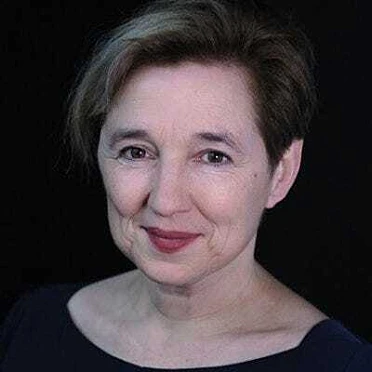
The Future of Video
AI has reshaped the video landscape, but the challenge remains: how do we capture attention and turn it into lasting connection? In this session, Jon Mowat explores the psychology of attention, the power of reward, and why community and human interaction remain key to video’s future.
“Was thrilled with how human the conversations had at TwentyThree Summit really were. Somehow, we talked about AI and advancements in technology in B2B video and event marketing by focusing on what makes us all very human.”
Reagan Hochmeister, Community Marketing Manager, Zensai
A series of events you can join before and after TwentyThree Summit, whether you stay an extra day or simply have an hour to spare. When you sign up for the conference, your personal guide will reach out to help you choose the experiences you want to join. You will then receive a full catalogue to explore.
“From start to finish, TwentyThree Summit was pure inspiration and energy! From world-class speakers and inspiring companies to the one and only Oscar-winner Thomas Vinterberg… this event truly had it all.”
Iris Elizabeth Pali, Senior Marketing & Communications Manager, Allyy
In collaboration with
Argentina, Austria, Belgium, Bosnia, Brazil, Bulgaria, Croatia, Cyprus, Czech Republic, Denmark, Estonia, Finland, France, Germany, Greece, Hungary, Iceland, India, Iran, Ireland, Italy, Latvia, Lithuania, Mexico, Moldova, Netherlands, Nigeria, Norway, Poland, Portugal, Romania, Russia, Serbia, Slovakia, South Africa, South Korea, Spain, Sweden, Turkey, UK, Ukraine, USA